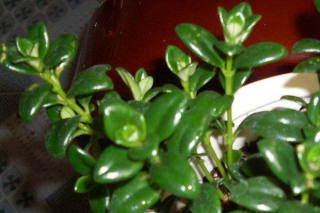
Haworthiopsis is a genus of small, succulent plants native to Southern Africa, closely related to Haworthia and Aloe. These plants are popular among collectors due to their rosette-forming growth habit, textured leaves, and adaptability to indoor conditions. Identifying different Haworthiopsis varieties requires attention to leaf morphology, growth patterns, and other distinguishing features.
To distinguish between Haworthiopsis varieties, focus on the following plant-specific traits:
Haworthiopsis leaves are typically triangular, lanceolate, or ovate, arranged in tight rosettes. For example: - Haworthiopsis attenuata: Leaves are long, tapered, and covered in white tubercles. - Haworthiopsis fasciata: Leaves are smoother with fewer tubercles, often mistaken for attenuata but lacks bumps on the inner leaf surfaces. - Haworthiopsis limifolia: Leaves have pronounced horizontal ridges, resembling a washboard.
The presence of tubercles, stripes, or ridges is critical: - Tubercles: Raised white dots or bumps (e.g., Haworthiopsis attenuata). - Ridges: Horizontal or vertical lines (e.g., Haworthiopsis limifolia). - Translucent Windows: Some varieties have semi-transparent leaf tips (e.g., Haworthiopsis cooperi variants).
Haworthiopsis species vary in size and clustering behavior: - Solo Rosettes: Some grow singly (e.g., Haworthiopsis koelmaniorum). - Clumping Varieties: Others produce offsets freely (e.g., Haworthiopsis reinwardtii). - Stemmed Varieties: A few develop elongated stems (e.g., Haworthiopsis viscosa).
Leaf color can change with light exposure and stress: - Green to Brown: Haworthiopsis attenuata turns reddish-brown under sun stress. - Dark Green: Haworthiopsis fasciata retains a deep green hue. - Variegated Forms: Rare cultivars exhibit yellow or white streaks (e.g., Haworthiopsis attenuata ‘Variegata’).
While flowers are less diagnostic, they can aid identification: - Flower Color: Most produce small white or pale pink flowers on slender stalks. - Bloom Timing: Typically flowers in late summer or autumn. - Inflorescence Shape: Racemes are usually unbranched and upright.
Root structure can hint at the variety: - Fibrous Roots: Common in most Haworthiopsis (e.g., Haworthiopsis attenuata). - Tuberous Roots: Some species develop thickened roots for water storage (e.g., Haworthiopsis tessellata). - Offset Production: Clumping varieties propagate easily via offsets, while solitary types require seeds or leaf cuttings.
Growth responses to light and water can differentiate species: - Sun Tolerance: Haworthiopsis reinwardtii tolerates brighter light than Haworthiopsis fasciata. - Water Needs: Varieties like Haworthiopsis coarctata thrive with infrequent watering due to thicker leaves.
Be cautious of混淆: - Haworthiopsis vs. Haworthia: Haworthiopsis leaves are firmer and less translucent. - Attenuata vs. Fasciata: Fasciata has smoother inner leaves, while attenuata is bumpy on both sides.