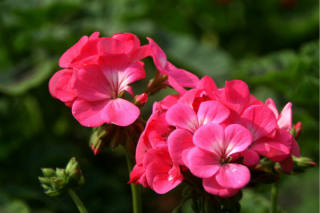
As a daylily, I thrive when given space to grow and access to ample nutrients. Over time, my clumps can become overcrowded, leading to reduced flowering and weaker growth. Dividing me is essential to maintain my health and vigor. From my perspective, division is a natural process that mimics how I spread in the wild, ensuring my survival and propagation.
I signal when it’s time to divide by showing fewer blooms, smaller flowers, or crowded foliage. The best time to divide me is in early spring or late summer to early fall. In spring, I’m emerging from dormancy and can recover quickly. In late summer or fall, the cooler temperatures and moist soil help me establish new roots before winter. Avoid dividing me during peak flowering or extreme heat, as this stresses me unnecessarily.
Before dividing, water me thoroughly a day or two in advance. Hydrated roots are more flexible and less likely to break. Gather clean, sharp tools like a spade or garden fork to minimize damage. From my perspective, clean cuts heal faster, reducing the risk of disease. Prepare the new planting site with well-draining soil enriched with organic matter to give me the best start.
Start by loosening the soil around my base, about 6–12 inches away from the outermost leaves. Gently lift me out of the ground, keeping as much of the root system intact as possible. Shake off excess soil to expose my roots and rhizomes. If my clump is large, you may need to divide it into smaller sections while still in the ground using a sharp knife or spade.
Look for natural divisions in my clump, where fans of leaves emerge from separate rhizomes. Each division should have at least 2–3 healthy fans and a robust root system. Gently pull the sections apart by hand or use a sterilized knife for stubborn clumps. Remove any dead or damaged roots and trim my foliage to about 6 inches to reduce stress on my new growth.
Plant my divisions at the same depth I was growing before, spacing them 12–18 inches apart to allow room for future growth. Spread my roots out in the planting hole and backfill with soil, firming it gently around my base. Water me deeply to settle the soil and eliminate air pockets. Mulch around me to retain moisture and regulate soil temperature, but keep mulch away from my crown to prevent rot.
After division, I need consistent moisture to establish new roots. Water me regularly for the first few weeks, ensuring the soil stays evenly moist but not soggy. Avoid fertilizing immediately after division; wait until I show signs of new growth. From my perspective, patience is key—I may take a season or two to fully recover and resume prolific blooming.
Division rejuvenates me, improving airflow and reducing competition for nutrients. It also helps control my spread and prevents overcrowding. From my viewpoint, division is a chance to propagate and share my beauty with other parts of the garden or fellow gardeners. Healthy divisions ensure I continue to thrive and produce vibrant blooms for years to come.