The rubber plant (Ficus elastica) originates from tropical regions of Southeast Asia, where it thrives in warm, humid environments with well-draining soil. In its natural habitat, the plant grows in loose, nutrient-rich soil that allows roots to breathe while retaining adequate moisture. Mimicking these conditions is essential for healthy growth in indoor or outdoor cultivation.
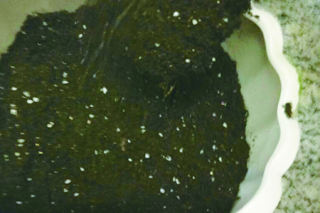
A well-balanced soil mix for rubber plants should include the following components:
Rubber plants are highly susceptible to root rot if their roots sit in waterlogged soil. A well-draining mix ensures excess water escapes quickly, while aeration prevents compaction. Perlite and bark create air pockets, allowing roots to access oxygen—a critical factor for nutrient uptake and overall plant vitality.
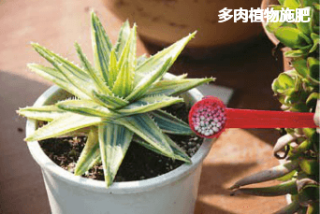
Rubber plants prefer slightly acidic to neutral soil (pH 6.0–7.0). A pH outside this range can hinder nutrient absorption. Incorporating compost or worm castings helps maintain pH balance while providing essential macro- and micronutrients like nitrogen, phosphorus, and potassium. Avoid heavy fertilizers, which can cause salt buildup and damage roots.
Common pitfalls include using dense garden soil (which suffocates roots), over-relying on peat (which can compact over time), or skipping drainage materials. Additionally, reusing old soil without refreshing it may introduce pests or deplete nutrients. Always opt for a fresh, custom-blended mix tailored to the rubber plant’s needs.
In dry climates, increase moisture retention by adding a small amount of sphagnum moss (5–10%). In humid areas, boost drainage with extra perlite. For potted plants, ensure containers have drainage holes to complement the soil’s properties. Monitor the plant’s response—yellowing leaves may signal poor drainage, while stunted growth could indicate nutrient deficiency.
During active growth (spring/summer), the soil should retain slightly more moisture to support new leaves. In dormancy (fall/winter), reduce watering and ensure the mix dries out faster to prevent rot. Refreshing the top layer of soil annually replenishes organic matter and maintains optimal conditions.