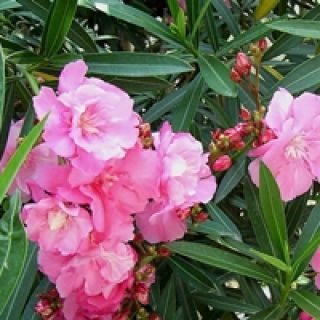
1. Introduction to Azaleas
Azaleas (genus Rhododendron) are flowering shrubs known for their vibrant blooms and wide variety of colors. These plants thrive in temperate climates and are popular in gardens and landscapes. Their flowers, which bloom in spring or early summer, are not only visually appealing but also play a role in attracting pollinators like bees and butterflies.
2. Floral Traits That Attract Pollinators
Azaleas possess several floral characteristics that make them attractive to bees and butterflies:
- Color: Azalea flowers come in bright shades of pink, red, purple, white, and yellow. Bees are particularly drawn to blue and violet hues, while butterflies prefer red, orange, and yellow.
- Nectar Production: Azaleas produce nectar, a sugary liquid that serves as a food source for pollinators. The nectar is accessible to bees and butterflies due to the flower's funnel-shaped structure.
- Fragrance: Many azalea varieties emit a mild, sweet scent that can attract butterflies and bees, enhancing their visibility to pollinators.
3. Pollinator Preferences and Azalea Varieties
Not all azaleas are equally attractive to pollinators. Some key factors include:
- Single vs. Double Blooms: Single-flowered azaleas (with one layer of petals) are more accessible to bees and butterflies, while double-flowered varieties (with multiple layers) may hinder nectar access.
- Native vs. Hybrid: Native azalea species (e.g., Rhododendron canescens) often have higher nectar production and are more appealing to local pollinators compared to hybrid cultivars bred for aesthetics.
4. Seasonal Timing and Pollinator Activity
Azaleas typically bloom in spring, coinciding with the emergence of many bee and butterfly species. This timing ensures that pollinators have access to early-season food sources, which is critical for their survival and reproduction. However, in regions with late frosts or extended winters, azaleas may bloom too early or too late to fully benefit pollinators.
5. Potential Limitations for Pollinators
While azaleas can attract bees and butterflies, there are some limitations:
- Toxicity: Azaleas contain grayanotoxins, which are harmful to honeybees if consumed in large quantities. However, most pollinators avoid toxic nectar unless other food sources are scarce.
- Pollen Availability: Some azalea cultivars produce less pollen, reducing their appeal to bees, which rely on pollen as a protein source.
6. Enhancing Azalea's Appeal to Pollinators
To maximize the attraction of bees and butterflies to azaleas, gardeners can:
- Plant native azalea species alongside other pollinator-friendly plants to create a diverse food supply.
- Avoid excessive pesticide use, which can harm pollinators.
- Choose single-flowered varieties over double-flowered ones to ensure easy nectar access.