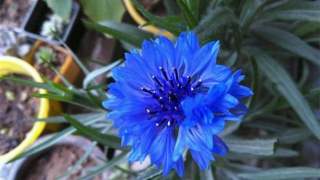
Daisies (Bellis perennis or other species) are perennial flowering plants that thrive in well-drained soil and full sunlight. To encourage more blooms, it's essential to understand their growth cycle. Daisies produce flowers in response to environmental cues such as light, temperature, and nutrient availability. The plant allocates energy between vegetative growth (leaves and stems) and reproductive growth (flowers). By optimizing these factors, you can shift the balance toward more prolific blooming.
Daisies require at least 6-8 hours of direct sunlight daily to bloom abundantly. Sunlight fuels photosynthesis, which provides the energy needed for flower production. Insufficient light leads to leggy growth and fewer blooms. If grown indoors or in shaded areas, consider relocating the plant to a sunnier spot or using grow lights to supplement natural light.
Well-draining, fertile soil with a slightly acidic to neutral pH (6.0-7.0) is ideal for daisies. Poor soil can stunt growth and reduce flowering. Amend heavy clay or sandy soils with organic matter like compost to improve texture and nutrient content. Avoid waterlogged conditions, as they can lead to root rot, which weakens the plant and inhibits blooming.
Daisies benefit from a balanced fertilizer (e.g., 10-10-10) applied in early spring to support initial growth. However, excessive nitrogen promotes leafy growth at the expense of flowers. Switch to a phosphorus-rich fertilizer (e.g., 5-10-5) as buds form to encourage blooming. Over-fertilizing can harm the plant, so follow package instructions and avoid late-season feeding, which may disrupt dormancy.
Removing faded flowers (deadheading) redirects the plant's energy from seed production to new blooms. Use clean shears to cut spent flowers just above a leaf node or lateral bud. Regular deadheading also prevents self-seeding, which can reduce vigor in perennial varieties. For prolific bloomers like Shasta daisies, this practice is particularly effective.
Light pruning in early spring encourages branching, which leads to more flower stems. Pinch back the tips of young plants to promote lateral growth. For perennial daisies, cut back foliage by one-third after the first flush of blooms to stimulate a second flowering cycle in late summer or fall.
Daisies prefer evenly moist soil but are drought-tolerant once established. Inconsistent watering stresses the plant, reducing blooms. Water deeply when the top inch of soil feels dry, avoiding overhead irrigation to prevent fungal diseases. Mulching helps retain moisture and regulate soil temperature.
Aphids, spider mites, and powdery mildew can weaken daisies, limiting blooms. Inspect plants regularly and treat infestations with insecticidal soap or neem oil. Ensure good air circulation and avoid wetting foliage to prevent fungal issues. Healthy plants are more likely to produce abundant flowers.
Perennial daisies can become overcrowded, leading to reduced flowering. Divide clumps every 2-3 years in early spring or fall. Replant divisions with adequate spacing to improve air circulation and nutrient access, revitalizing bloom production.
Some daisy cultivars are bred for prolific blooming. For example, 'Becky' Shasta daisies or 'Galaxy' gerbera daisies are known for their long flowering seasons. Select varieties suited to your climate and growing conditions to maximize bloom potential.