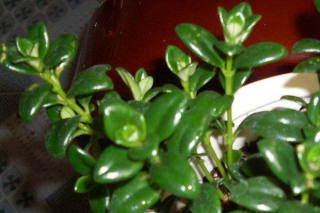
Lilies are beloved for their vibrant blooms and elegant stature, but they are susceptible to various diseases that can compromise their health. As a plant, lilies rely on proper care and environmental conditions to thrive. When diseases strike, they disrupt essential physiological processes, leading to stunted growth, discoloration, or even death. Understanding these diseases from the plant's perspective helps in early identification and effective treatment.
From the lily's viewpoint, diseases manifest as visible and internal stress signals. Here are the most common ailments:
Botrytis cinerea, a fungal pathogen, attacks lily leaves, stems, and flowers. As a plant, lilies respond with brown spots on leaves, which expand into larger lesions. The fungus thrives in humid conditions, blocking photosynthesis and weakening the plant's energy reserves.
Caused by Fusarium oxysporum, this disease targets the bulb, the lily's lifeline. Infected bulbs develop soft, brown rot, impairing nutrient and water uptake. Above ground, leaves yellow and wilt as the plant struggles to sustain itself.
This viral disease distorts the lily's growth patterns. Leaves develop mottled yellow streaks, and flowers may appear deformed. The virus hijacks the plant's cellular machinery, reducing its ability to produce energy.
Lilies employ natural defense mechanisms when diseased. For fungal infections, they may produce antimicrobial compounds or sacrifice infected tissue to limit spread. Viral infections often trigger systemic resistance, though some viruses overwhelm these defenses. Stress from disease can also reduce flowering, as the plant redirects energy to survival.
Effective treatment aligns with the lily's natural needs and vulnerabilities:
Lilies prefer well-draining soil and spaced planting to reduce humidity around leaves. Removing infected debris prevents pathogen buildup, giving the plant a cleaner environment to recover.
For fungal diseases like Botrytis or Basal Rot, lilies benefit from targeted fungicides. These chemicals suppress the pathogen, allowing the plant to regain its health. Bulb dips before planting can protect against soil-borne fungi.
Since viruses lack a cure, removing infected plants is critical to protect healthy lilies. Controlling aphid vectors (which spread the virus) also reduces transmission risks.
Prevention is the lily's best ally. Planting disease-resistant varieties, avoiding overhead watering (which promotes fungal growth), and maintaining soil fertility help lilies build resilience. Healthy plants are better equipped to fend off infections naturally.
Lilies in stressful conditions—poor soil, extreme temperatures, or inadequate light—are more prone to diseases. Ensuring optimal growing conditions mimics their natural habitat, reducing vulnerability to pathogens.