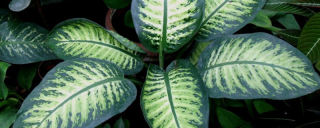
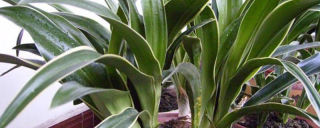
Rubber fig (*Ficus elastica*) is a popular houseplant known for its glossy, broad leaves. When leaves begin to curl, it’s often a sign of stress caused by environmental or care-related factors. From a plant’s perspective, curling leaves are a survival mechanism to reduce water loss or protect against damage. Identifying the root cause is essential for restoring health.
From the plant’s viewpoint, several factors can trigger leaf curling:
Overwatering or underwatering disrupts the plant’s water balance. Roots suffocate in soggy soil, while drought forces leaves to curl inward to conserve moisture. The plant signals distress by altering leaf structure.
Rubber figs thrive in humid environments. Dry air causes excessive transpiration, prompting leaves to curl to minimize surface area and reduce water loss.
Sudden temperature fluctuations or cold drafts stress the plant. Leaves curl as a protective response to slow metabolic processes and prevent tissue damage.
Too much direct sunlight scorches leaves, while insufficient light weakens the plant. Curling may occur as the plant adjusts to light intensity.
Insects like spider mites or aphids suck sap, causing leaves to curl and distort. The plant’s defense mechanisms are overwhelmed, leading to visible damage.
Addressing the underlying issue helps the plant recover:
Water when the top inch of soil is dry. Ensure proper drainage to prevent root rot. The plant will gradually uncurl leaves as hydration stabilizes.
Mist leaves regularly or use a humidifier. Grouping plants together creates a microclimate, reducing transpiration stress.
Keep the plant away from drafts or heaters. Maintain a consistent temperature (60–75°F or 15–24°C) to avoid thermal shock.
Provide bright, indirect light. Shield the plant from harsh midday sun with sheer curtains or relocate it to a spot with filtered light.
Wipe leaves with neem oil or insecticidal soap. Isolate the plant to prevent pests from spreading. Healthy plants resist infestations better.
Proactive care ensures long-term health:
Use a moisture meter or finger test to gauge watering needs. Consistent moisture levels prevent stress-induced curling.
Place a pebble tray filled with water beneath the pot. This mimics the plant’s natural tropical habitat.
Check leaves weekly for pests or discoloration. Early intervention prevents severe damage.
Feed with a balanced, diluted fertilizer during the growing season. Overfertilization can harm roots and exacerbate leaf issues.
Trim severely curled or yellowing leaves to redirect energy to healthy growth. This also improves airflow around the plant.