English Ivy (Hedera helix) is a shade-tolerant plant, but it still requires adequate indirect light to thrive. If placed in excessively dark conditions, the plant may shed leaves to conserve energy. The lower leaves often drop first as they receive the least light. Ensure your ivy receives bright, filtered light for at least 4-6 hours daily. Avoid direct sunlight, which can scorch the leaves, but prolonged low light will weaken the plant.
Root health is critical for leaf retention. Overwatering or waterlogged soil suffocates roots, leading to root rot. When roots decay, they cannot absorb nutrients or water, causing leaves to yellow and fall. English Ivy prefers slightly moist but well-draining soil. Check the top inch of soil before watering—if it’s dry, water thoroughly. Ensure pots have drainage holes, and avoid letting the plant sit in standing water.
Conversely, underwatering stresses the plant, causing leaves to dry out and drop. Ivy prefers consistent moisture, especially in warmer months. Dry air from heaters or air conditioners can also dehydrate leaves. Increase humidity by misting the plant, using a pebble tray, or placing it near other plants. Water when the soil feels dry to the touch, but don’t let it stay bone-dry for extended periods.
English Ivy thrives in stable temperatures between 50–70°F (10–21°C). Sudden temperature fluctuations, drafts, or exposure to cold (below 40°F/4°C) can trigger leaf loss. Avoid placing the plant near open windows, vents, or radiators. In winter, protect it from chilly drafts, and in summer, shield it from excessive heat. Consistency is key to preventing stress-induced leaf drop.
Pests like spider mites, aphids, or scale insects can weaken English Ivy, causing leaves to yellow and fall. These pests feed on sap, depriving the plant of nutrients. Inspect leaves regularly, especially undersides, for tiny webs, sticky residue, or visible bugs. Treat infestations promptly with insecticidal soap, neem oil, or by wiping leaves with a damp cloth. Isolate affected plants to prevent spreading.
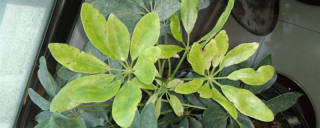
Poor soil quality or lack of fertilization can lead to nutrient deficiencies, manifesting as leaf loss. Ivy benefits from balanced, water-soluble fertilizer diluted to half strength every 4-6 weeks during the growing season (spring to early fall). Avoid over-fertilizing, as salt buildup can harm roots. If leaves appear pale or stunted, consider repotting with fresh, nutrient-rich soil.
Older leaves naturally yellow and drop as part of the plant’s growth cycle. If only a few lower leaves are falling and new growth appears healthy, this is normal. Prune dead or yellowing leaves to redirect energy to new growth. However, if leaf loss is widespread or rapid, investigate other potential causes listed above.
Recently repotted or moved ivy may shed leaves due to shock. Roots need time to adjust to new soil or environments. Minimize stress by repotting in spring, using a similar soil mix, and avoiding excessive root disturbance. Keep the plant in stable conditions post-repotting and reduce watering slightly until it recovers.
Fungal diseases like leaf spot or bacterial infections can cause leaf drop. Look for black/brown spots, mold, or wilting. Improve air circulation, avoid wetting foliage when watering, and remove affected leaves. Treat with fungicides if necessary. Sterilize pruning tools to prevent spreading pathogens.
English Ivy may shed leaves seasonally, particularly in winter when growth slows. Reduced light and cooler temperatures can trigger dormancy. Adjust care by reducing watering and avoiding fertilization until spring. Ensure the plant receives enough light to sustain itself during this period.