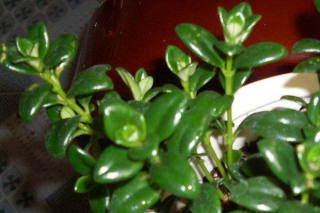
Thyme (Thymus spp.) is a perennial herb with woody stems and small, aromatic leaves. From the plant's perspective, pruning is a natural response to environmental cues, such as light and seasonal changes. Thyme grows actively in spring and early summer, producing new shoots and foliage. During this phase, the plant directs energy toward vertical growth to maximize sunlight absorption. Without pruning, thyme can become leggy, with sparse foliage at the base. Pruning mimics natural grazing or browsing, encouraging the plant to branch out and grow denser.
Thyme responds best to pruning during its active growth periods, typically in late spring to early summer, after the first flush of new growth appears. Pruning at this time allows the plant to recover quickly and produce new shoots before winter dormancy. Avoid heavy pruning in late fall or winter, as thyme enters a resting phase and cannot regenerate efficiently. Light trimming to remove dead or damaged stems can be done year-round, but major shaping should align with the plant's natural growth rhythm.
To encourage bushiness, follow these steps from the plant's perspective:
a. Pinch Back New Growth: Use your fingers or sharp shears to pinch or cut back the tips of young stems by about one-third. This removes the apical meristem (the dominant growing tip), signaling the plant to activate lateral buds and produce side branches.
b. Cut Above Leaf Nodes: When pruning woody stems, make cuts just above a set of healthy leaves or nodes. This ensures the plant can redirect energy to those points, promoting new growth from the nodes.
c. Thin Out Overcrowded Stems: Remove some older, woody stems at the base to improve air circulation and light penetration. Thyme responds by producing fresh shoots from the crown, creating a fuller appearance.
Thyme, like all plants, experiences stress from improper pruning. Avoid cutting into old, non-productive wood, as it may not regenerate. Never remove more than one-third of the plant at once, as excessive pruning can deplete energy reserves and weaken the plant. Always use clean, sharp tools to prevent disease entry through ragged cuts.
After pruning, thyme benefits from:
a. Adequate Watering: Water lightly to help the plant recover, but avoid overwatering, as thyme prefers well-drained soil.
b. Light Fertilization: A balanced, diluted fertilizer can support new growth, but avoid high-nitrogen feeds, which may promote leggy stems.
c. Sunlight Exposure: Ensure the plant receives at least 6 hours of sunlight daily to fuel photosynthesis and bushier regrowth.