ThePlantAide.com

Common Pests That Attack Croton Plants & How to Treat Them

Hank Schrader
2025-06-29 04:36:59

1. Introduction to Croton Plant Vulnerabilities

Crotons (Codiaeum variegatum) are vibrant tropical plants prized for their colorful foliage. However, their lush leaves and sap attract several pests that can weaken or kill the plant if left untreated. From the plant’s perspective, these pests disrupt photosynthesis, drain nutrients, and introduce diseases. Below are the most common pests and how to address them organically and chemically.

2. Spider Mites (Tetranychus urticae)

Spider mites are tiny arachnids that suck sap from croton leaves, causing stippling, yellowing, and webbing. The plant responds by curling leaves or dropping them to conserve energy. To treat:

  • Organic: Spray leaves with a strong jet of water or apply neem oil every 5–7 days.
  • Chemical: Use miticides like abamectin, but rotate products to avoid resistance.

3. Mealybugs (Pseudococcidae)

Mealybugs appear as white cottony masses on leaf joints and undersides, secreting honeydew that attracts mold. The plant’s growth slows as pests feed on its phloem. To treat:

  • Organic: Dab insects with cotton swabs dipped in rubbing alcohol or apply insecticidal soap.
  • Chemical: Systemic insecticides like imidacloprid target hidden nymphs.

4. Scale Insects (Coccidae)

Hard or soft scale insects cling to stems and leaves, appearing as brown bumps. They weaken the plant by sucking sap, leading to leaf yellowing and dieback. To treat:

  • Organic: Scrape off scales manually or use horticultural oil to smother them.
  • Chemical: Apply dinotefuran for heavy infestations.

5. Aphids (Aphidoidea)

Aphids cluster on new growth, distorting leaves and spreading viruses. The plant may excrete sticky honeydew, further stressing it. To treat:

  • Organic: Introduce ladybugs or spray with a garlic-chili pepper solution.
  • Chemical: Pyrethrin-based sprays offer quick knockdown.

6. Whiteflies (Aleyrodidae)

Whiteflies swarm when disturbed, feeding on leaf undersides and causing wilting. The plant’s vigor declines as photosynthesis is impaired. To treat:

  • Organic: Hang yellow sticky traps or apply kaolin clay.
  • Chemical: Use spinosad for persistent infestations.

7. Thrips (Thysanoptera)

Thrips scrape leaves, leaving silvery streaks and black fecal spots. The plant’s response includes deformed growth and reduced pigment production. To treat:

  • Organic: Prune affected leaves and release predatory mites.
  • Chemical: Spinosad or acetamiprid can be effective.

8. Preventative Measures for Croton Health

To minimize pest attacks, the plant benefits from:
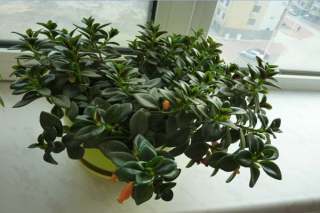
  • Regularly inspecting leaves and isolating new plants.
  • Maintaining humidity (40–60%) to deter spider mites.
  • Avoiding over-fertilization, which attracts sap-sucking pests.

The Plant Aide - Plant experts around you

The Plant Aide - Plant experts around you

www.theplantaide.com