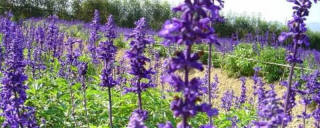
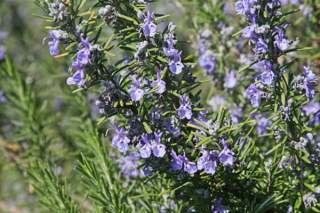
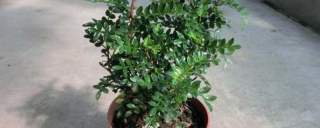
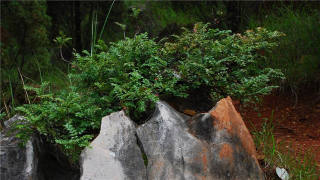
Sage (Salvia officinalis) is a perennial herb known for its aromatic leaves and culinary uses. Its growth rate depends on factors like species, climate, soil conditions, and care practices. Understanding sage's growth patterns helps gardeners optimize cultivation for healthy, productive plants.
Sage seeds typically germinate in 10–21 days under optimal conditions (60–70°F or 15–21°C). During this stage, growth is slow, with seedlings developing their first true leaves after 2–3 weeks. Light is crucial for germination, so seeds should be sown shallowly (¼ inch deep) or lightly pressed into the soil surface.
Once established, sage enters a vegetative growth phase, producing woody stems and dense foliage. Under ideal conditions (full sun, well-draining soil, and moderate water), sage grows approximately 12–24 inches (30–60 cm) per year. Growth is faster in warm climates (USDA zones 5–9) but slows in cooler or drought-prone regions.
Sage reaches maturity in 2–3 years, attaining a height and spread of 2–3 feet (60–90 cm). Growth slows as the plant matures, focusing energy on maintaining woody stems and producing flowers. Pruning encourages bushier growth and prevents legginess.
- Sunlight: Sage thrives in 6–8 hours of direct sunlight daily. Insufficient light slows growth. - Soil: Well-draining, slightly alkaline soil (pH 6.0–7.0) promotes faster growth. Heavy clay or waterlogged soils stunt roots. - Water: Drought-tolerant once established, but consistent moisture during early growth accelerates development. - Temperature: Growth peaks at 60–75°F (15–24°C). Frost or extreme heat may halt growth temporarily.
Regular pruning (1–2 times per year) stimulates new growth and prevents woody decline. Cutting back by one-third in spring encourages fresh foliage. Overgrown or unpruned sage may exhibit slower growth due to energy diversion to older stems.
Propagation methods influence growth speed: - Cuttings: Rooted cuttings grow faster than seeds, reaching usable size in 1–2 years. - Seeds: Slower to mature (2–3 years) but offer genetic diversity. - Division: Mature plants divided in spring recover and grow rapidly within a season.
Sage flowers in late spring to summer, diverting energy from leaf production. Deadheading spent blooms can redirect growth to foliage. In colder climates, growth pauses in winter, resuming in spring.
Dwarf sage (Salvia officinalis 'Compacta') grows slower, reaching 8–12 inches (20–30 cm) in height, while common sage varieties grow taller and faster. Pineapple sage (Salvia elegans) is a faster-growing annual in cooler zones.