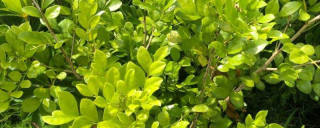
The Crassula plant, commonly known as the Jade Plant or Money Plant, is a popular succulent known for its resilience and low-maintenance nature. However, its care requirements vary significantly between winter and summer due to changes in temperature, light, and humidity. Understanding these seasonal differences is crucial for ensuring the plant's health and longevity.
Winter poses unique challenges for Crassula plants, as they are sensitive to cold temperatures and reduced sunlight. Below are the key aspects of winter care:
Crassula plants thrive in temperatures between 50-60°F (10-15°C) during winter. They can tolerate brief exposure to colder conditions but should never be subjected to freezing temperatures, as this can cause irreversible damage to their fleshy leaves and stems.
During winter, Crassula plants enter a dormant phase, requiring significantly less water. Overwatering can lead to root rot, so it's best to water only when the soil is completely dry—typically once every 3-4 weeks. Reduce watering frequency further if the plant is kept in a cooler environment.
With shorter daylight hours, Crassula plants benefit from being placed near a south-facing window to maximize sunlight exposure. If natural light is insufficient, supplement with grow lights to prevent etiolation (stretching of stems due to low light).
Indoor heating during winter can dry out the air, but Crassula plants prefer low humidity. Ensure good airflow around the plant to prevent fungal infections, but avoid placing it near drafts or heating vents.
Summer brings longer days and warmer temperatures, which influence the care routine for Crassula plants. Here’s how to adapt:
Crassula plants prefer temperatures between 65-75°F (18-24°C) in summer. They can tolerate higher temperatures but should be protected from extreme heat (above 90°F or 32°C) to prevent sunburn or dehydration.
During active growth in summer, Crassula plants require more frequent watering. Water deeply when the top inch of soil feels dry, usually once every 1-2 weeks. Ensure proper drainage to avoid waterlogged soil, which can harm the roots.
While Crassula plants love bright light, direct midday sun in summer can scorch their leaves. Provide filtered sunlight or partial shade during the hottest part of the day. Morning sun is ideal for promoting healthy growth.
Crassula plants tolerate dry summer air well but benefit from occasional misting in extremely hot conditions. Ensure adequate airflow to prevent pests like spider mites, which thrive in stagnant, humid environments.
Transitioning between seasons requires gradual adjustments to avoid shocking the plant. In spring, slowly increase watering and light exposure as temperatures rise. In autumn, reduce watering and prepare the plant for winter dormancy by moving it to a cooler location if necessary.
Crassula plants may face issues like leaf drop in winter due to overwatering or etiolation from insufficient light. In summer, watch for signs of sunburn or pest infestations. Adjust care practices promptly to address these problems.