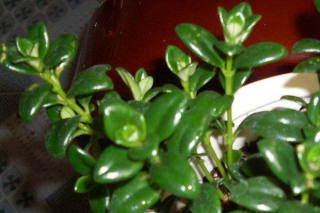
The Christmas Cactus (Schlumbergera spp.) is a tropical epiphytic plant native to Brazilian rainforests. Unlike desert cacti, it thrives in humid, shaded environments. Moving it outdoors during summer can benefit its growth if done correctly, but improper care can lead to stress or damage. Here’s how to ensure a smooth transition.
2.1 Gradually Acclimate the Plant
The Christmas Cactus is sensitive to sudden environmental changes. Start by placing it in a shaded or dappled sunlight area for 1–2 weeks before exposing it to brighter light. This prevents sunburn on its fleshy leaves.
2.2 Choose the Right Location
Select a spot with bright, indirect light—such as under a tree or a shaded patio. Direct midday sun can scorch the leaves, while deep shade may reduce blooming potential.
2.3 Monitor Watering Needs
Outdoor conditions (wind, heat) may dry the soil faster. Water when the top inch of soil feels dry, but avoid soggy conditions. Ensure the pot has drainage holes to prevent root rot.
2.4 Maintain Humidity
Mimic its natural habitat by misting the plant occasionally or placing a tray of water nearby. Grouping it with other plants can also help retain ambient moisture.
3.1 Avoid Direct Sunlight
Never place the cactus in full sun, especially during peak summer hours. Its leaves may turn red or purple as a stress response, indicating light damage.
3.2 Don’t Overlook Temperature Extremes
Christmas Cacti prefer temperatures between 70–80°F (21–27°C). Avoid locations where temperatures exceed 90°F (32°C) or drop below 50°F (10°C) at night, as this can stunt growth or cause bud drop.
3.3 Skip Heavy Fertilization
While a diluted, balanced fertilizer (e.g., 10-10-10) can be applied monthly, over-fertilizing outdoors may lead to salt buildup or leggy growth. Reduce feeding in late summer to prepare for dormancy.
3.4 Don’t Ignore Pests
Outdoor plants are vulnerable to aphids, spider mites, and slugs. Inspect leaves regularly and treat infestations promptly with insecticidal soap or neem oil.
4.1 Timing Matters
Move the cactus outdoors only after nighttime temperatures consistently stay above 50°F (10°C). In most regions, this aligns with late spring or early summer.
4.2 Prepare for Fall Return
As temperatures cool in early autumn, gradually reintroduce the plant indoors. Sudden shifts can trigger premature bud drop. Place it near a bright window to maintain its light cycle.
5.1 Leaf Discoloration
Yellowing may indicate overwatering or nutrient deficiency, while red/purple hues suggest sun stress. Adjust light and watering accordingly.
5.2 Bud Drop
Caused by abrupt environmental changes or temperature fluctuations. Maintain consistent conditions and avoid moving the plant during bud formation.