As a perennial plant, the Bleeding Heart (Dicentra spectabilis) has a natural life cycle that revolves around seasonal changes. My roots, stems, and dormant buds are programmed to respond to environmental cues like temperature and daylight. In winter, I retreat underground, conserving energy in my rhizomes or tuberous roots. When spring arrives, I sense the warming soil and longer days, signaling it's time to emerge again.
My resurgence typically begins in early to mid-spring, depending on the climate zone. In USDA Hardiness Zones 3–9, where I thrive, you’ll notice my tender pink shoots pushing through the soil when daytime temperatures consistently reach 50–60°F (10–15°C). In milder regions (Zones 7–9), I may appear as early as March, while colder areas (Zones 3–6) might see me in April or even May. Frost doesn’t frighten me—my new growth is hardy, but a late freeze could delay my progress.
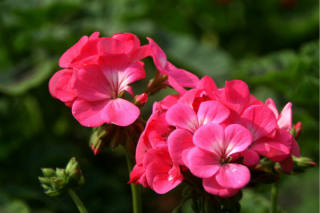
Once awakened, I grow rapidly. My arching stems unfurl fern-like leaves, followed by iconic heart-shaped flowers by late spring (May–June). The timing depends on sunlight exposure—I prefer partial shade, so woodland gardens mimic my natural habitat. If planted in full sun, I may bloom earlier but retreat sooner due to heat stress. My flowers last 4–6 weeks, after which I focus energy on storing nutrients for the next cycle.
Microclimates influence my return. South-facing slopes or urban heat islands may coax me out earlier, while north-facing or windy sites delay me. Gardeners in coastal climates (e.g., Pacific Northwest) see me persist longer due to cool summers, whereas hot, dry regions (e.g., Southern U.S.) may cause me to go dormant by midsummer. Mulching helps regulate soil temperature, ensuring a steady spring comeback.
After flowering, my foliage yellows—a sign I’m preparing for dormancy. Don’t mistake this for distress! I’m conserving resources. Some gardeners interplant me with late-summer perennials to fill the gap. If conditions stay cool and moist, I might retain leaves longer, but heat accelerates my retreat. By understanding my rhythms, you can appreciate my ephemeral beauty without worry.