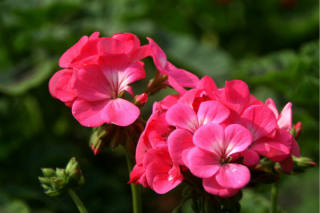
As a Columbine plant (Aquilegia spp.), I thrive in cool climates but am vulnerable to sudden frosts. My delicate foliage and tender new growth can suffer damage when temperatures drop below freezing. Frost disrupts my cellular structure, causing ice crystals to form inside my tissues, which leads to wilting, browning, or even death if unprotected. While mature plants may tolerate mild frosts, young seedlings and newly emerged shoots are especially at risk.
To survive winter, I rely on my natural dormancy cycle. As daylight shortens and temperatures cool, I slow my growth and redirect energy to my roots. My leaves may die back, but my root system remains alive underground. However, unexpected early frosts or extreme cold can catch me off guard, so I benefit from human assistance to ensure my survival until spring.
To shield me from frost, consider these steps:
If frost damages my leaves, don’t prune them immediately. The dead foliage acts as a temporary shield for my crown and roots. Wait until spring when new growth appears before trimming. Gently water me during dry winter spells, as dehydration worsens frost stress. Avoid fertilizing in late fall, as this can spur tender growth that’s more susceptible to cold.
To improve my frost resilience:
If my leaves turn black or mushy after frost, I’m showing signs of damage. While I can often recover, remove only the worst-affected foliage to prevent rot. In spring, assess my crown—if it’s firm and green, I’ll likely regrow. If it’s soft or discolored, the damage may be fatal, and replanting may be necessary.