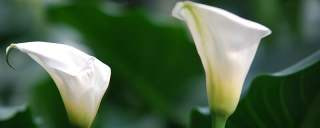
As a Peace Lily (Spathiphyllum), I thrive in well-draining soil and prefer slightly tight spaces, but I’ll let you know when I need repotting. My roots may start circling the pot or peeking out of drainage holes, and my growth might slow down. Repotting helps me access fresh nutrients and prevents root-bound stress. Choose a pot only 1-2 inches larger than my current one—too much space can lead to overwatering issues.
Before repotting, hydrate me thoroughly a day prior to reduce transplant shock. Gather a new pot with drainage holes, fresh potting mix (peat-based with perlite or orchid bark works best), and gloves (my sap can irritate skin). Sterilize tools to avoid introducing pathogens. I prefer a calm, shaded workspace—direct sunlight stresses me during this process.
Turn my current pot sideways and tap the sides to loosen the soil. Support my base and stems while sliding me out. If I resist, squeeze the pot gently or use a dull knife to separate the roots from the edges. Avoid pulling my leaves—they’re delicate! Inspect my roots: trim any brown, mushy sections with clean shears, but keep healthy white roots intact.
Place a layer of fresh soil at the bottom of the new pot, ensuring it’s enough to keep my crown (where stems meet roots) at the same depth as before. I dislike being buried too deep—it can cause rot. Mix in a slow-release fertilizer if needed, but avoid over-fertilizing, as my sensitive roots can burn.
Center me in the new pot and fill gaps with soil, gently pressing to eliminate air pockets. Don’t compact the soil too much—I need airflow for my roots. Water me lightly to help the soil settle, but avoid soggy conditions. If the soil sinks, add more to maintain the right depth.
Keep me in a warm, humid spot with indirect light for 1-2 weeks to recover. Skip fertilizer for 4-6 weeks to let my roots adjust. Watch for drooping leaves—I might need extra humidity or less water temporarily. Resume normal care once I show new growth, which means I’ve acclimated happily!