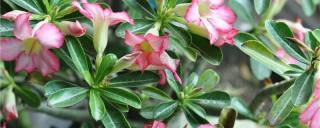
Grevillea, a genus of flowering plants native to Australia, is known for its adaptability to various soil conditions. However, understanding its soil pH preferences is crucial for optimal growth and health. While some species tolerate a range of pH levels, most Grevilleas thrive in slightly acidic to neutral soils (pH 5.5–6.5). Alkaline soils (pH above 7) can cause nutrient deficiencies, particularly in iron and phosphorus, which are vital for Grevillea's growth.
Soil pH affects nutrient availability, microbial activity, and root health. For Grevilleas, slightly acidic soils enhance the uptake of essential nutrients like iron, manganese, and zinc. In alkaline soils, these nutrients become less available, leading to chlorosis (yellowing leaves) and stunted growth. Additionally, Grevilleas are adapted to low-phosphorus environments, and alkaline soils often bind phosphorus, making it inaccessible to the plant.
While most Grevilleas prefer acidic soils, some species exhibit adaptability. For example, Grevillea robusta (Silky Oak) can tolerate slightly alkaline conditions, whereas Grevillea lanigera (Woolly Grevillea) thrives in more acidic environments. Gardeners should research specific species to determine their exact pH requirements. In general, avoiding highly alkaline soils is advisable for most Grevilleas.
Grevilleas grown in inappropriate pH levels may show symptoms such as yellowing leaves (iron deficiency), poor flowering, or slow growth. In alkaline soils, root systems may struggle to absorb water and nutrients efficiently. Conversely, excessively acidic soils (pH below 5) can lead to toxicity from aluminum or manganese, harming the plant.
To create ideal conditions, gardeners can amend soil pH. For alkaline soils, incorporating sulfur or organic matter like peat moss can lower pH. For overly acidic soils, lime can raise pH moderately. However, drastic changes should be avoided, as Grevilleas are sensitive to abrupt pH shifts. Regular soil testing is recommended to monitor and maintain the desired pH range.
In areas with unsuitable native soil, Grevilleas can be grown in raised beds or containers filled with well-draining, acidic potting mix. This allows better control over soil conditions. Mulching with organic materials like pine bark can also help maintain soil acidity and improve moisture retention, benefiting Grevillea roots.
Understanding Grevillea's soil pH preferences ensures healthy growth and vibrant blooms. While slight acidity is ideal, selecting adaptable species and amending soil conditions can help gardeners cultivate these striking plants successfully.