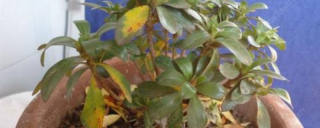
Brown spots on African daisy (Osteospermum) leaves are often caused by fungal pathogens. Common culprits include Alternaria, Cercospora, and Botrytis cinerea. These fungi thrive in humid or wet conditions, spreading spores that infect leaf tissues. Symptoms typically appear as circular or irregular brown spots, sometimes with yellow halos. Over time, the spots may enlarge, causing leaf wilting or drop. Proper air circulation and avoiding overhead watering can reduce fungal growth.
Bacterial infections, such as those caused by Pseudomonas or Xanthomonas, can also lead to brown spots. These bacteria enter through wounds or natural openings, creating water-soaked lesions that turn brown or black. Unlike fungal spots, bacterial spots often appear angular due to leaf vein restrictions. High humidity and splashing water facilitate their spread. Infected leaves should be removed promptly, and copper-based fungicides may help manage outbreaks.
African daisies are sensitive to environmental extremes. Excessive sunlight can cause sunscald, resulting in brown, scorched patches on leaves. Conversely, prolonged drought or poor drainage may lead to dehydration or root rot, manifesting as brown spots. Additionally, temperature fluctuations or frost damage can disrupt cell structures, causing localized necrosis. Ensuring balanced sunlight, consistent watering, and well-draining soil can mitigate these issues.
Inadequate nutrients, particularly potassium or magnesium, can cause brown spotting. Potassium deficiency often appears as brown leaf edges or interveinal chlorosis, while magnesium deficiency shows as yellowing between veins with brown speckles. Soil testing and targeted fertilization can address these imbalances. Over-fertilization, however, may cause salt buildup, leading to root damage and brown leaf tips.
Insect pests like spider mites, thrips, or leafhoppers feed on African daisy leaves, leaving behind brown stippling or spots. These pests pierce leaf cells, sucking sap and introducing toxins or pathogens. Heavy infestations weaken plants, making them susceptible to secondary infections. Regular inspection and organic treatments (e.g., neem oil or insecticidal soap) can control pest populations.
Herbicide drift or improper pesticide application can burn leaves, causing brown spots. Physical damage from hail, wind, or rough handling may also create necrotic areas. To prevent this, avoid chemical use near sensitive plants and shield daisies from harsh weather. Damaged leaves should be pruned to redirect energy to healthy growth.
Though less common, viruses like Tomato spotted wilt virus (TSWV) can infect African daisies, causing brown rings or streaks. Viral diseases are often spread by thrips and have no cure. Infected plants should be removed to prevent transmission. Maintaining pest control and planting virus-free specimens are key preventive measures.
Poor gardening habits, such as overcrowding or improper pruning, can exacerbate brown spot issues. Overcrowding reduces airflow, fostering fungal growth, while unclean tools spread pathogens. Space plants adequately, sterilize tools, and remove debris to minimize risks. Mulching can also help regulate soil moisture and temperature.