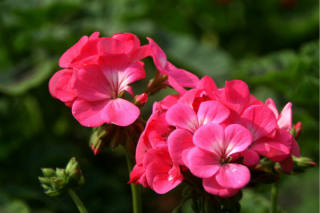
Croton (Codiaeum variegatum) and Poinsettia (Euphorbia pulcherrima) are two popular ornamental plants, often confused due to their vibrant foliage. However, they belong to different plant families and have distinct characteristics. Crotons are tropical shrubs prized for their multicolored leaves, while Poinsettias are known for their bright red bracts, often associated with holiday decor.
Croton: Belongs to the Euphorbiaceae family, genus Codiaeum. It is native to Southeast Asia and the Pacific Islands. Poinsettia: Also part of the Euphorbiaceae family but under the genus Euphorbia. It originates from Mexico and Central America.
Croton: Features thick, leathery leaves with striking color variations (red, yellow, orange, green) and intricate patterns. Leaf shapes range from broad to narrow, often with wavy edges. Poinsettia: Known for its iconic red bracts (modified leaves), which surround small yellow flowers. The true leaves are green and oval-shaped, while the bracts provide the plant’s festive appeal.
Croton: Grows as a dense shrub, reaching 3–6 feet indoors and up to 10 feet outdoors in tropical climates. Poinsettia: Typically smaller, growing 1–3 feet tall as a potted plant but can reach 10–15 feet in its native habitat.
Croton: Thrives in bright, indirect light. Direct sunlight enhances leaf coloration but too much can scorch leaves. Poinsettia: Prefers bright, indirect light but can tolerate moderate shade. Avoid direct sun to prevent bract fading.
Croton: Requires consistently moist soil but dislikes waterlogging. Reduce watering in winter. Poinsettia: Keep soil evenly moist but not soggy. Overwatering leads to root rot, while underwatering causes leaf drop.
Croton: Prefers warm temperatures (60–85°F) and high humidity. Sensitive to cold drafts. Poinsettia: Thrives in 65–75°F and moderate humidity. Avoid temperatures below 50°F, which cause leaf loss.
Croton: Needs well-draining, fertile soil. Fertilize monthly in spring/summer with a balanced liquid fertilizer. Poinsettia: Prefers slightly acidic, well-draining soil. Fertilize every 2–4 weeks during active growth with a phosphorus-rich formula.
Croton: Contains toxic compounds that can irritate skin and cause nausea if ingested. Keep away from pets and children. Poinsettia: Mildly toxic, causing mild irritation or stomach upset. Often exaggerated in toxicity myths.
Croton: Prune leggy stems to encourage bushiness. Wipe leaves to prevent dust buildup. Poinsettia: To rebloom, provide 12–14 hours of darkness daily for 6–8 weeks in fall. Pinch back stems in summer to promote branching.
Croton: Susceptible to spider mites, mealybugs, and scale. Yellowing leaves may indicate overwatering. Poinsettia: Prone to whiteflies, aphids, and fungal diseases like powdery mildew. Wilting often results from improper watering.