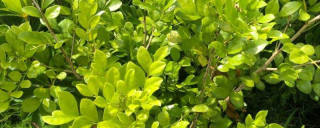
Ligularia, a genus of perennial plants native to moist environments in Asia and Europe, thrives in damp soils, often near streams or in woodland areas. These plants have evolved to prefer consistently moist conditions, making them poorly adapted to prolonged drought. Their large, broad leaves lose water quickly through transpiration, and their shallow root systems are inefficient at sourcing deep groundwater during dry spells.
While Ligularia is not inherently drought-tolerant, some species exhibit limited resilience to short dry periods. For example, Ligularia dentata and Ligularia przewalskii may survive brief droughts if established in partial shade, which reduces water loss. However, extended dryness causes wilting, leaf scorch, and stunted growth. Without adequate moisture, Ligularia's foliage deteriorates, and the plant may eventually die.
To cultivate Ligularia in water-scarce conditions, consider these adaptations:
Amend the soil with organic matter like compost to improve water retention. A 2–3 inch layer of mulch (e.g., bark or straw) reduces evaporation and keeps roots cool. Mulching also mimics Ligularia's natural forest-floor habitat, where decaying leaves retain moisture.
Plant Ligularia in partial to full shade to minimize heat stress and transpiration. Positioning it near taller plants or structures can create a humid microclimate. Avoid windy sites, which accelerate drying.
Water deeply but infrequently to encourage deeper root growth. Drip irrigation or soaker hoses deliver water directly to the root zone, reducing waste. Water early in the morning to minimize evaporation losses.
Pair Ligularia with shade-tolerant, drought-resistant plants (e.g., hostas or ferns) to create a mutually supportive ecosystem. These companions can help maintain soil moisture and reduce competition for water.
Drought-stressed Ligularia shows drooping leaves, brown edges, and slowed growth. If detected early, thorough watering and shade restoration can revive the plant. Remove severely damaged foliage to redirect energy to recovery. In extreme cases, temporary shading with cloth may be necessary.
In arid regions, consider container gardening for Ligularia, allowing precise moisture control. Self-watering pots or moisture-retentive substrates (e.g., coco coir) can help. Alternatively, choose more drought-tolerant foliage plants (e.g., bergenia) for similar aesthetic effects.