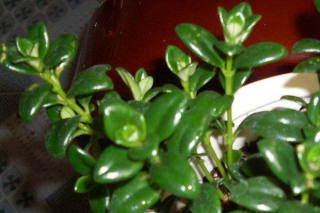
Emerald Tree houseplants, scientifically known as Ficus benjamina, are popular for their glossy, emerald-green leaves and elegant growth habit. However, like all plants, they are susceptible to pest infestations that can compromise their health and aesthetics. Understanding these pests from the plant's perspective helps in early identification and effective management.
From the plant's viewpoint, pests are external stressors that disrupt physiological processes, damage tissues, and weaken overall vitality. Below are the most common pests that target Emerald Tree houseplants:
Spider mites are tiny arachnids that feed on plant sap by piercing leaf cells. From the plant's perspective, this causes stippling (yellow or white speckles) on leaves, reduced photosynthesis, and eventual leaf drop. Severe infestations lead to webbing, which further obstructs light absorption.
Mealybugs appear as cottony white masses on stems and leaf nodes. They suck sap, depriving the plant of nutrients and causing stunted growth. The plant responds by curling leaves or producing sticky honeydew, which attracts sooty mold—a secondary issue that blocks sunlight.
Scale insects attach themselves to stems and leaves, forming hard or soft shells. From the plant's perspective, their feeding weakens vascular tissues, leading to yellowing leaves, dieback, and reduced vigor. Heavy infestations can cause premature leaf shedding.
Aphids cluster on new growth, sucking sap and distorting young leaves. The plant reacts by curling foliage or secreting honeydew. Aphids also transmit viruses, further stressing the plant and impairing its growth.
Fungus gnat larvae feed on organic matter and roots, disrupting nutrient uptake. From the plant's perspective, this results in wilting, yellowing, and slowed growth. Adult gnats are less harmful but indicate overly moist soil—a condition that stresses roots.
Emerald Tree houseplants employ several defense mechanisms against pests, though these are often insufficient without human intervention:
The plant may shed infested leaves to limit pest spread or produce thicker cuticles to deter feeding. However, excessive leaf drop weakens the plant over time.
Some plants release volatile compounds to repel pests or attract natural predators. However, indoor environments often lack these predators, reducing the effectiveness of this response.
Yellowing leaves, stunted growth, or honeydew secretion are distress signals indicating pest activity. These symptoms alert caretakers to take action before irreversible damage occurs.
From the plant's perspective, environmental stressors like low humidity, poor air circulation, or improper watering exacerbate pest problems. For example, dry air favors spider mites, while overwatering attracts fungus gnats. Maintaining optimal conditions is crucial for resilience.