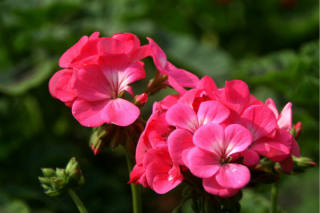
Gladiolus, commonly known as sword lilies, are popular flowering plants prized for their tall spikes of vibrant blooms. While they are traditionally grown in garden beds, they can also thrive in pots with proper care. Growing gladiolus in containers allows gardeners with limited space to enjoy these stunning flowers. However, container cultivation requires attention to specific factors like pot size, soil quality, and watering practices to ensure healthy growth and abundant blooms.
Selecting an appropriate pot is critical for gladiolus. The container should be at least 12 inches deep and 12 inches in diameter to accommodate the plant's long roots and support its tall stems. Larger pots are even better, as they provide more stability and soil volume. Ensure the pot has drainage holes to prevent waterlogging, which can lead to root rot. Heavy materials like ceramic or clay are ideal, as they counterbalance the plant's height and reduce the risk of tipping over.
Gladiolus prefer well-draining, fertile soil with a slightly acidic to neutral pH (6.0–7.0). A high-quality potting mix enriched with organic matter, such as compost or aged manure, provides essential nutrients. Adding perlite or sand improves drainage, which is crucial for preventing bulb rot. Avoid using garden soil, as it may compact in containers and hinder root development.
Plant gladiolus corms in spring after the last frost, placing them 4–6 inches deep and 3–6 inches apart. Position the corms with the pointed end facing upward. For a continuous display of flowers, stagger planting every two weeks until early summer. Cover the corms with soil and water thoroughly to settle the soil around them. Place the pot in a sunny location, as gladiolus requires at least 6–8 hours of direct sunlight daily.
Water gladiolus regularly to keep the soil consistently moist but not soggy. Containers dry out faster than garden beds, so check the soil daily during hot weather. Reduce watering after the flowers fade to prepare the plants for dormancy. Fertilize every 2–3 weeks with a balanced liquid fertilizer (10-10-10) or a bulb-specific formula to promote strong growth and flowering. Stop fertilizing once the blooms appear to avoid overfeeding.
Gladiolus stems can grow up to 4–5 feet tall, making them prone to bending or breaking in windy conditions. Insert stakes or a small trellis into the pot at planting time to provide support. Tie the stems loosely to the stakes as they grow, using soft twine or plant clips. This prevents damage and ensures the flowers remain upright and visually appealing.
In colder climates (zones 7 and below), gladiolus corms cannot survive winter outdoors. After the foliage yellows and dies back in fall, dig up the corms, trim the stems, and let them dry for a week. Store them in a cool, dry place (40–50°F) in mesh bags or paper bags filled with peat moss. Replant the corms the following spring. In warmer zones (8+), corms may survive in pots if protected with mulch.
Gladiolus in pots may face pests like thrips, aphids, and spider mites, which can damage foliage and flowers. Regularly inspect plants and treat infestations with insecticidal soap or neem oil. Fungal diseases, such as botrytis or fusarium rot, can occur in overly wet conditions. Ensure proper drainage and avoid overhead watering to minimize these risks.