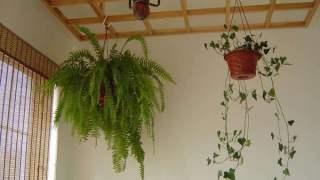
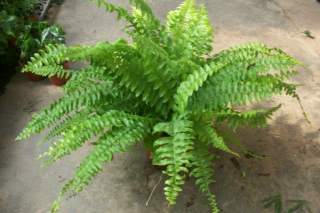
The Bird’s Nest Fern (Asplenium nidus) is an epiphytic or terrestrial fern native to tropical rainforests in Southeast Asia, Australia, and the Pacific Islands. In its natural environment, it thrives under the canopy of tall trees, where humidity levels typically range between 60% and 80%. The plant absorbs moisture from the air and rainwater collected in its central rosette, mimicking the conditions of its habitat is crucial for its health in cultivation.
For optimal growth, Bird’s Nest Ferns require humidity levels of at least 50%, though they prefer 60% or higher. Lower humidity can lead to brown leaf edges, stunted growth, and increased susceptibility to pests like spider mites. Unlike desert plants, this fern lacks thick cuticles to retain water, making it highly dependent on ambient moisture.
The fern exhibits clear symptoms when humidity is insufficient:
To replicate the fern’s tropical habitat, consider these methods:
Cluster humidity-loving plants to create a microclimate. As plants release moisture through transpiration, the collective effect raises humidity levels around them.
A humidifier is the most effective way to maintain consistent humidity, especially in dry climates or heated indoor spaces. Set it near the fern to achieve 60–70% humidity.
Place a tray filled with water and pebbles beneath the fern’s pot. As the water evaporates, it increases local humidity. Ensure the pot sits above the waterline to avoid root rot.
Lightly mist the fern’s leaves 2–3 times weekly using distilled or rainwater to prevent mineral deposits. Avoid over-misting, as stagnant water can invite fungal diseases.
These rooms naturally have higher humidity due to showers and cooking. Place the fern near a window with indirect light to leverage the moist environment.
While humidity is critical, balance it with other factors:
Use a hygrometer to track humidity levels near the fern. Adjust your strategies seasonally—indoor air tends to dry out in winter, requiring more active humidity management. Observe the plant’s response to tweak methods accordingly.