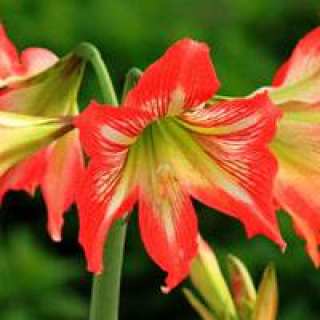
From a plant's perspective, Calla Lilies (Zantedeschia spp.) have a specific blooming cycle tied to their natural habitat. They thrive in warm, moist environments and typically bloom in late spring to early summer. If your Calla Lily isn't blooming, it may be due to a disruption in its natural rhythm. For example, insufficient dormancy periods, incorrect light exposure, or improper watering can all interfere with its flowering process. Plants rely on environmental cues to trigger blooming, so mimicking their native conditions is key.
Calla Lilies need bright, indirect light to produce blooms. From the plant's viewpoint, too little light means insufficient energy for flower formation, while too much direct sunlight can scorch leaves and stress the plant, diverting resources away from blooming. Indoors, place your Calla Lily near a south- or west-facing window. Outdoors, partial shade is ideal. If the plant isn't blooming, assess whether it's receiving the right balance of light—adjust its location if necessary.
The soil quality directly impacts a Calla Lily's ability to bloom. These plants prefer well-draining, slightly acidic soil rich in organic matter. From the plant's perspective, poor soil or incorrect pH levels can limit nutrient uptake, particularly phosphorus, which is critical for flowering. Fertilize with a balanced, water-soluble fertilizer (e.g., 10-10-10) every 4-6 weeks during the growing season. Avoid high-nitrogen fertilizers, as they promote leafy growth at the expense of blooms.
Calla Lilies are moisture-loving plants but dislike waterlogged roots. From the plant's standpoint, inconsistent watering—either too dry or too soggy—can cause stress and inhibit blooming. Keep the soil evenly moist during the growing season, reducing water during dormancy. If the plant is in a pot, ensure drainage holes are present to prevent root rot, which can further hinder flower production.
Calla Lilies require a period of dormancy to reset their blooming cycle. From the plant's perspective, skipping this rest phase—often triggered by cooler temperatures (50–60°F or 10–15°C) and reduced watering—can lead to no flowers the following season. After blooming, allow the foliage to die back naturally, then store the rhizomes in a cool, dark place for 8–10 weeks before replanting.
Pests like aphids or spider mites, as well as fungal diseases, can weaken a Calla Lily, diverting energy away from flowering. From the plant's viewpoint, fighting off infestations or infections leaves fewer resources for bloom production. Regularly inspect leaves and stems, and treat issues promptly with insecticidal soap or fungicides. Healthy plants are more likely to flower abundantly.
Young or newly divided Calla Lily rhizomes may take a year or two to establish before blooming. From the plant's perspective, energy is initially directed toward root and foliage growth. Ensure rhizomes are planted at the correct depth (about 4 inches deep) and are healthy—soft or rotting rhizomes won't produce flowers. Patience is key with younger plants.
Calla Lilies grown in containers can become root-bound, while those in the garden may compete for resources if overcrowded. From the plant's viewpoint, limited space or nutrients can stunt growth and reduce blooming. Repot container plants every 1–2 years, and divide garden clumps every 3–4 years to ensure adequate space and resources for flowering.