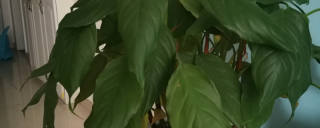
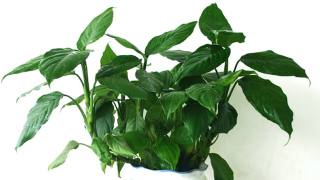
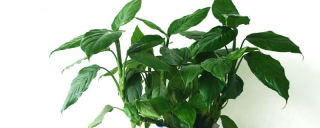
From a plant's perspective, light is essential for photosynthesis, the process by which we convert light energy into chemical energy to fuel our growth. Peace Lilies (Spathiphyllum spp.) thrive in bright, indirect light, mimicking the dappled sunlight of our native tropical forest understory. Direct sunlight can scorch our leaves, causing yellow or brown patches, while too little light weakens our ability to produce energy, leading to sparse blooms and stunted growth. A north- or east-facing window is ideal, or a spot several feet away from a south- or west-facing window with sheer curtains to diffuse intense rays.
Water is life for us, but balance is key. Peace Lilies prefer consistently moist soil, though we despise waterlogged roots, which suffocate us and invite root rot. Our leaves droop dramatically when thirsty, signaling it's time to drink. Water us thoroughly until excess drains out, then wait until the top inch of soil feels dry before watering again. Humidity matters too—we adore moist air (50% or higher). Misting our leaves or placing our pot on a pebble tray with water helps replicate our tropical home. Avoid fluoridated or chlorinated water, as it can brown our leaf tips; filtered or distilled water is gentler.
Our roots crave a well-draining, aerated potting mix rich in organic matter. A blend of peat moss, perlite, and pine bark mimics the loose, humus-rich forest floor we naturally grow in. Heavy soils compact over time, choking our roots and trapping moisture. Repot us every 1–2 years in fresh mix to replenish nutrients and give our roots room to stretch. Ensure pots have drainage holes—standing water is a death sentence. A slightly acidic to neutral pH (6.0–7.0) keeps nutrients accessible, so avoid alkaline amendments like lime unless testing shows a need.
We flourish in warm, stable temperatures (65–80°F or 18–27°C), much like our tropical origins. Drafts from windows, air vents, or sudden temperature swings stress us, causing leaf yellowing or wilting. Keep us away from cold windows in winter and scorching heaters in summer. While we tolerate average home humidity, grouping us with other plants or using a humidifier creates a microclimate we adore. Remember, we’re sensitive to ethylene gas from ripening fruit—keep us away from fruit bowls to avoid premature leaf drop.
Though we’re not heavy feeders, monthly diluted fertilizer during spring and summer supports lush foliage and blooms. Use a balanced liquid fertilizer (e.g., 20-20-20) at half strength to avoid salt buildup, which burns our roots. In fall and winter, we rest—reduce feeding to every 6–8 weeks or pause entirely. Yellowing leaves may signal overfeeding; flush the soil with water if salts accumulate. Organic options like compost tea gently nourish us without chemical harshness.
Trim spent blooms and yellowing leaves at the base with clean shears to redirect energy to new growth. Dust clogs our leaf pores—wipe us gently with a damp cloth to keep photosynthesis efficient. Regular grooming prevents pest hideouts (like spider mites) and maintains our glossy, deep green allure. If our leaves brown at the tips, low humidity or mineral buildup is likely; adjust care accordingly.