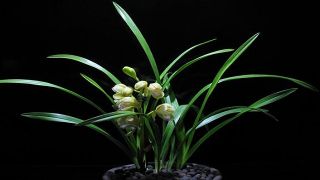
Areca Palms (Dypsis lutescens), also known as Golden Cane Palms, are popular indoor and outdoor plants prized for their feathery, arching fronds and tropical appeal. While they are relatively low-maintenance compared to other palms, their care requirements depend on factors like light, water, humidity, and soil conditions. Understanding these needs ensures healthy growth and minimizes the need for intensive upkeep.
Areca Palms thrive in bright, indirect light but can tolerate partial shade. Direct sunlight can scorch their leaves, while too little light slows growth and causes fronds to yellow. Indoors, placing them near east- or north-facing windows is ideal. Outdoors, they prefer dappled sunlight under taller trees. Their adaptability to varying light conditions reduces the need for constant adjustments, making them moderately low-maintenance in this regard.
These palms prefer consistently moist soil but are sensitive to overwatering. Watering once a week is typically sufficient, but frequency should adjust based on season and climate. In summer, they may need more frequent watering, while in winter, the soil should dry slightly between waterings. Overwatering leads to root rot, while underwatering causes brown leaf tips. A well-draining potting mix helps balance moisture levels, reducing maintenance efforts.
Areca Palms are native to humid tropical regions and thrive in environments with 40–60% humidity. Indoor plants may suffer in dry air, leading to brown leaf edges. Regular misting, a humidity tray, or a room humidifier can help maintain adequate moisture levels. However, they can adapt to average household humidity, making them manageable for most plant owners without daily intervention.
Well-draining, slightly acidic soil is ideal for Areca Palms. A mix of peat, perlite, and sand works well. Fertilize monthly during the growing season (spring and summer) with a balanced liquid fertilizer diluted to half strength. Over-fertilization can cause leaf burn, so moderation is key. In winter, feeding can be reduced or paused. This routine requires minimal effort but significantly impacts plant health.
Areca Palms benefit from occasional pruning to remove dead or yellowing fronds, which improves aesthetics and prevents pest infestations. Wiping the leaves with a damp cloth removes dust, enhancing photosynthesis. These tasks are infrequent (every few months) and straightforward, contributing to their low-maintenance reputation.
Common pests like spider mites, mealybugs, and scale can affect Areca Palms, especially in dry conditions. Regular inspection and prompt treatment with insecticidal soap or neem oil can prevent severe infestations. Proper watering and humidity control also reduce disease risks, such as root rot or fungal infections. Vigilance is required, but major issues are rare with basic care.
Areca Palms grow moderately fast and may need repotting every 2–3 years. Signs like roots emerging from drainage holes indicate it’s time to move to a slightly larger pot. Using fresh soil during repotting replenishes nutrients and promotes healthy growth. This occasional task is manageable and not overly demanding.
These palms prefer temperatures between 65–75°F (18–24°C) and are sensitive to cold drafts or temperatures below 50°F (10°C). Protecting them from sudden temperature fluctuations reduces stress and maintenance needs. In temperate climates, they can be grown outdoors year-round, but frost requires bringing them indoors.
While Areca Palms are not entirely maintenance-free, their care requirements are moderate and manageable. By providing adequate light, water, humidity, and occasional pruning, they remain healthy with minimal effort. Their resilience and adaptability make them suitable for both novice and experienced plant enthusiasts.