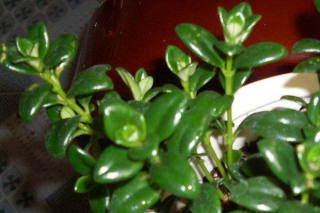
Basil (Ocimum basilicum) thrives in well-draining, nutrient-rich soil with a slightly acidic to neutral pH (6.0–7.0). As a Mediterranean herb, it prefers loose, aerated soil that prevents waterlogging while retaining adequate moisture. In pots, the soil must mimic these natural conditions to support healthy root development and vigorous growth.
a. Drainage: Basil roots are susceptible to rot in waterlogged conditions. A lightweight potting mix with perlite, vermiculite, or coarse sand (20–30% of the mix) ensures excess water drains quickly. b. Nutrient Content: Basil is a fast-growing herb that benefits from organic matter like compost or aged manure (10–20% of the mix) for sustained nutrition. c. pH Level: A pH of 6.0–7.0 optimizes nutrient uptake. Test kits or amendments like lime (to raise pH) or sulfur (to lower pH) can adjust the soil as needed. d. Aeration: Roots require oxygen. Ingredients like coconut coir or peat moss (30–40% of the mix) improve soil structure and airflow.
A balanced homemade mix for basil includes: - **60% high-quality potting soil** (peat-free or organic base). - **20% perlite or sand** for drainage. - **15% compost or worm castings** for nutrients. - **5% coconut coir** to retain moisture. Avoid garden soil, which compacts in pots and may harbor pests or diseases.
Look for potting mixes labeled for herbs or vegetables, such as: - **Espoma Organic Potting Mix**: Contains mycorrhizae for root health. - **FoxFarm Ocean Forest**: Pre-amended with nutrients and pH-balanced. - **Miracle-Gro Performance Organics**: Lightweight and enriched with compost. Ensure the mix is labeled "well-draining" and avoid heavy, clay-based blends.
a. Watering: Keep soil consistently moist but not soggy. Water when the top inch feels dry. b. Fertilization: Supplement with a diluted liquid fertilizer (e.g., fish emulsion) every 3–4 weeks during active growth. c. Mulching: A thin layer of straw or compost on the soil surface conserves moisture and regulates temperature. d. Repotting: Refresh soil annually or when roots outgrow the pot to prevent nutrient depletion.
- **Overly dense soil**: Causes root suffocation. Amend with perlite if needed. - **Poor drainage pots**: Use containers with drainage holes and elevate them. - **Over-fertilizing**: Excess nitrogen reduces flavor and attracts pests. - **Ignoring pH**: Test soil yearly; basil shows yellow leaves if pH is unbalanced.
Watch for: - **Yellowing leaves**: May indicate poor drainage or nutrient deficiency. - **Stunted growth**: Suggests compacted soil or low organic matter. - **Mold or fungus**: Overwatering or lack of aeration. Improve airflow and reduce watering.