Ranunculus, commonly known as buttercups, thrive in well-draining soil with full to partial sunlight. They prefer cool climates and bloom in spring, making them ideal for early-season gardens. When selecting companion plants, it's essential to choose species with similar light, water, and soil preferences to ensure harmonious growth.
Here are some excellent plant pairings that complement ranunculus in terms of aesthetics and growing conditions:
Tulips (Tulipa spp.) and daffodils (Narcissus spp.) are perfect companions for ranunculus. Both bloom in spring and share similar sunlight and soil requirements. Their vibrant colors create a stunning contrast with ranunculus's delicate petals.
Lavender (Lavandula spp.) and salvia (Salvia spp.) are drought-tolerant perennials that pair well with ranunculus. Their upright growth habits provide structural contrast, while their aromatic foliage deters pests.
Pansies (Viola tricolor) and snapdragons (Antirrhinum majus) are excellent annual companions. They thrive in cool weather and add a splash of color to ranunculus beds. Their low-growing habit helps fill gaps between ranunculus plants.
Hostas (Hosta spp.) and ferns (Polypodiopsida) provide lush greenery that highlights ranunculus's bright blooms. These shade-tolerant plants are ideal for gardens with partial sunlight.
Some plants may compete with ranunculus for resources or create unfavorable growing conditions:
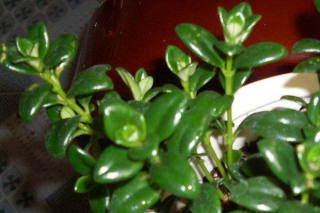
Avoid planting ranunculus near invasive species like mint (Mentha spp.) or creeping Jenny (Lysimachia nummularia), which can overtake the garden and stifle ranunculus growth.
Plants like water hyacinths (Eichhornia crassipes) or cattails (Typha spp.) require consistently wet soil, which can lead to root rot in ranunculus.
To create a visually appealing garden, consider the following design principles:
Pair ranunculus with plants in complementary or analogous colors. For example, yellow ranunculus pairs beautifully with purple pansies, while pink varieties look stunning alongside white alyssum.
Combine tall plants like delphiniums (Delphinium spp.) with mid-height ranunculus and low-growing ground covers like creeping thyme (Thymus serpyllum) for a layered effect.
Plant late-blooming perennials like asters (Aster spp.) or chrysanthemums (Chrysanthemum spp.) to extend the garden's visual interest after ranunculus finishes flowering.
Ensure companion plants have similar watering needs to avoid over- or under-watering ranunculus. Mulching around plants helps retain moisture and suppress weeds. Regularly deadhead spent blooms to encourage continuous flowering.