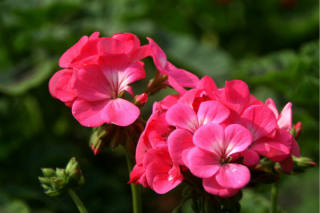
Jasmine plants (Jasminum spp.) are naturally climbing vines that use their twining stems to grasp onto supports. Unlike plants with tendrils or adhesive pads, jasmine relies on its flexible stems to wrap around structures like trellises or fences. To encourage climbing, it's essential to provide a suitable support system that mimics their natural habitat, such as thin wires, wooden slats, or mesh panels.
Choose a trellis or fence with narrow gaps (1-2 inches) to allow young jasmine stems to easily wrap around. Avoid smooth or thick materials like metal pipes, as they are harder for the plant to grip. A wooden or wire trellis works best. Ensure the structure is sturdy enough to support the plant's mature weight, as some jasmine varieties can grow quite heavy over time.
Plant the jasmine vine close to the base of the trellis or fence (6-12 inches away) to encourage it to grow toward the structure. If planting in a pot, position the container adjacent to the support. Ensure the roots have enough space to spread, and use well-draining soil to prevent waterlogging, which can hinder growth.
Gently guide young, flexible stems toward the trellis or fence, wrapping them around the support in a spiral motion. Use soft plant ties or twine to loosely secure stems if they resist clinging. Avoid tight bindings, as they can restrict growth. Repeat this process as new shoots emerge, redirecting them horizontally or vertically to cover the desired area.
Regular pruning helps direct energy toward climbing stems. Trim back overly long or wayward shoots to encourage branching near the support structure. Remove weak or dead growth to improve air circulation. Prune after flowering to maintain shape and prevent the plant from becoming tangled or top-heavy.
Jasmine thrives in full sun to partial shade (at least 4-6 hours of sunlight daily). Water consistently, keeping the soil moist but not soggy. Apply a balanced fertilizer during the growing season to promote vigorous growth. Healthy, well-nourished plants are more likely to produce strong climbing stems.
To create a lush, dense coverage on the trellis or fence, train some stems horizontally along the support. This technique (known as espalier) encourages lateral branching, resulting in more flowers and foliage. Secure horizontal stems with ties until they establish a firm grip.
As the jasmine grows, periodically check its attachment to the support. Re-tie or redirect stems as needed to prevent gaps or uneven growth. Remove any ties once the plant is firmly established to avoid constriction. Over time, the vine will naturally cling to the structure without assistance.