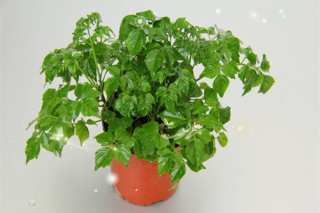
When potted mums become root-bound, their roots outgrow the container, forming a dense, tangled mass. Signs include roots circling the bottom or sides of the pot, emerging from drainage holes, or pushing the plant upward. The soil may dry out quickly despite regular watering, as roots dominate the space, leaving little room for moisture retention. Repotting is crucial to prevent stunted growth and nutrient deficiencies.
If your mum's growth slows or leaves turn yellow despite proper care, it may signal a lack of space or depleted soil. Root congestion limits nutrient uptake, causing stress. Repotting into a larger container with fresh, well-draining soil revitalizes the plant, allowing roots to expand and access essential nutrients.
Poor drainage—such as water pooling on the soil surface or taking too long to absorb—indicates compacted roots or degraded soil. Over time, organic matter in potting mix breaks down, reducing aeration. Repotting improves drainage by replacing old soil and ensuring roots have room to breathe, preventing root rot.
Potted mums exhaust soil nutrients over time. If the soil appears dry, cracked, or has a white crust (mineral buildup), it’s time to repot. Fresh soil replenishes nutrients and improves texture, supporting healthy root development and vibrant blooms.
The best time to repot mums is in early spring or after blooming in fall. Spring repotting aligns with their active growth phase, while fall repotting (post-bloom) prepares them for winter dormancy. Avoid repotting during flowering, as stress may reduce blooms.
Choose a pot 1-2 inches larger in diameter than the current one. Too large a pot risks waterlogging, while too small one restricts growth. Gently loosen root balls during repotting to encourage outward growth. Trim any dead or rotting roots to promote health.
After repotting, water thoroughly to settle the soil and eliminate air pockets. Place the mum in indirect light for a few days to reduce transplant shock. Resume regular care once the plant shows new growth, indicating successful adaptation.