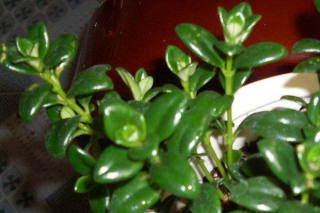
Crassula, commonly known as jade plants or money plants, belongs to the Crassulaceae family. These succulents are native to warm, arid regions, particularly South Africa and Mozambique. Their natural habitat features mild winters and hot, dry summers, making them well-adapted to drought-like conditions. Understanding their native environment is crucial to determining whether they can survive outdoors in cold climates.
Most Crassula species, including the popular Crassula ovata, are not frost-tolerant. They thrive in USDA hardiness zones 9-11, where temperatures rarely drop below 20°F (-6°C). Prolonged exposure to freezing temperatures can cause cellular damage due to ice crystal formation in their fleshy leaves and stems. However, some cold-hardy varieties, like Crassula sarcocaulis, can withstand brief dips to 25°F (-4°C) if the soil is dry.
When exposed to cold climates, Crassula plants face several risks:
While Crassula is not ideal for harsh winters, certain measures can improve survival odds:
For gardeners in colder regions, consider these frost-resistant succulents as alternatives:
If attempting to grow Crassula outdoors in marginal climates, adjust care routines:
Monitor Crassula for these indicators of cold damage:
If damage occurs, prune affected areas and move the plant to a warmer location. Recovery depends on the severity of exposure.