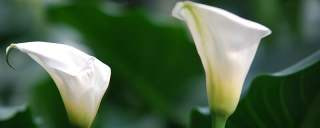
Calla lilies (*Zantedeschia spp.*) are elegant flowering plants native to southern Africa, where they grow in warm, temperate climates. To thrive, they require specific temperature ranges that mimic their natural habitat. Understanding these preferences is crucial for optimal growth, flowering, and overall plant health.
Calla lilies perform best when daytime temperatures are between **65°F to 75°F (18°C to 24°C)**. This range supports vigorous photosynthesis, healthy foliage development, and robust flower production. Temperatures above 80°F (27°C) may stress the plant, leading to reduced blooming or wilting, while prolonged exposure to cooler temperatures can slow growth.
At night, calla lilies prefer slightly cooler conditions, ideally **55°F to 65°F (13°C to 18°C)**. This drop in temperature mimics their natural environment and helps regulate metabolic processes. Consistently warm nights above 70°F (21°C) can weaken the plant over time, while temperatures below 50°F (10°C) may stunt growth or cause dormancy.
Calla lilies have varying temperature needs depending on their growth phase:
a. Germination and Early Growth: Seeds or rhizomes sprout best in warm soil, around **70°F to 75°F (21°C to 24°C)**. Cooler soils delay emergence.
b. Flowering Stage: Consistent daytime temperatures of **65°F to 75°F (18°C to 24°C)** promote abundant blooms. Extreme heat or cold can cause bud drop or deformed flowers.
c. Dormancy: In winter, calla lilies enter dormancy if temperatures fall below **50°F (10°C)**. Storage rhizomes should be kept at **50°F to 60°F (10°C to 15°C)** to prevent rot or premature sprouting.
a. Heat Stress: Prolonged exposure to temperatures above **85°F (29°C)** causes leaf scorch, reduced flowering, and increased susceptibility to pests like spider mites. Provide shade and adequate moisture to mitigate heat stress.
b. Cold Damage: Temperatures below **45°F (7°C)** can damage foliage and rhizomes. Frost kills the plant outright. In cold climates, lift rhizomes or grow calla lilies in containers for winter protection.
a. Outdoor Cultivation: Plant calla lilies after the last frost when soil temperatures reach at least **60°F (15°C)**. In hot climates, partial shade during peak afternoon heat helps maintain ideal conditions.
b. Indoor Cultivation: Maintain room temperatures within the ideal range, avoiding drafts or heat vents. Use grow lights if natural light is insufficient, as temperature and light are closely linked for photosynthesis.
In cooler regions (USDA zones 8-10), calla lilies can be grown as perennials with winter mulch. In warmer zones (USDA 11+), provide afternoon shade and ensure consistent moisture. In temperate climates, they thrive with minimal adjustments, but frost protection is essential.
Use a soil thermometer to check planting conditions. For potted plants, avoid placing containers on hot surfaces. Mulch outdoor beds to regulate soil temperature. Indoors, use humidifiers or fans to stabilize the microclimate around the plant.