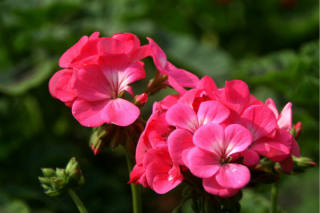
From a plant's perspective, petunias become leggy due to insufficient light, overcrowding, or improper pruning. When light is limited, petunias stretch their stems to reach for more sunlight, resulting in weak, elongated growth. Overcrowding forces competition for resources, causing stems to grow taller but thinner. Additionally, without regular pruning, petunias focus energy on vertical growth rather than branching, leading to a sparse appearance.
Petunias thrive in full sun, requiring at least 6-8 hours of direct sunlight daily. As a plant, petunias prioritize light absorption for photosynthesis. When sunlight is insufficient, they elongate their stems to maximize exposure. To prevent legginess, ensure they are planted in a sunny location or, if grown indoors, placed near a south-facing window or under grow lights. Rotating pots occasionally also promotes even light distribution.
Overcrowding stresses petunias, as they compete for light, water, and nutrients. From the plant's perspective, dense planting triggers a survival response, causing stems to grow taller to outcompete neighbors. To avoid this, space petunias 10-12 inches apart in gardens or use appropriately sized containers. Adequate spacing improves air circulation, reducing humidity-related diseases and promoting sturdy growth.
Pruning is essential for petunias to maintain a bushy, compact form. When stems are pinched or cut back, the plant redirects energy to lateral buds, encouraging branching. From the plant's viewpoint, pruning mimics natural grazing or damage, triggering a compensatory growth response. Pinch back the tips of young petunias by 1-2 inches when they reach 6 inches tall, and repeat every few weeks. For mature plants, trim leggy stems by one-third to rejuvenate growth.
Petunias require balanced nutrients to grow robustly. Excessive nitrogen promotes rapid stem elongation at the expense of foliage density, leading to legginess. From the plant's perspective, nitrogen-rich conditions simulate high-resource environments, favoring vertical growth. Use a slow-release fertilizer with equal parts nitrogen, phosphorus, and potassium (e.g., 10-10-10) or a bloom-boosting formula (e.g., 5-10-10) to encourage flowering and compact growth.
Overwatering weakens petunias by reducing root oxygen and promoting shallow root systems. From the plant's perspective, waterlogged soil signals stress, causing stems to grow taller but weaker. Water petunias only when the top inch of soil is dry, ensuring deep root development. Well-draining soil and containers with drainage holes are critical to prevent water retention and leggy growth.
Some petunia varieties are genetically predisposed to compact growth, while others naturally trail or sprawl. From the plant's perspective, genetics determine growth habits. For bushier petunias, select "mounding" or "spreading" types like 'Wave' or 'Supertunia,' which are bred for dense foliage. Avoid "grandiflora" types if legginess is a concern, as their large blooms often come with taller, less sturdy stems.