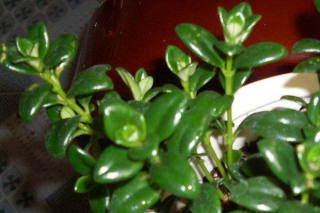
Thyme (*Thymus spp.*) is a versatile herb belonging to the mint family (Lamiaceae), prized for its culinary and ornamental value. With over 350 species, thyme offers a range of flavors, growth habits, and aesthetic appeal. Below, we explore the best thyme varieties for cooking and landscaping, categorized by their unique characteristics.
Thyme is a staple in kitchens worldwide, adding depth to dishes like soups, stews, and roasted meats. Here are the top culinary varieties:
This is the classic culinary thyme, featuring a robust, earthy flavor. Its small, gray-green leaves are highly aromatic, making it ideal for Mediterranean and French cuisines. It thrives in well-drained soil and full sun.
As the name suggests, this variety has a bright citrusy aroma, perfect for fish, poultry, and desserts. Its golden or variegated leaves also add visual interest to gardens. Lemon thyme prefers sunny locations and moderate watering.
This lesser-known variety has a distinctive caraway-like flavor, excellent for seasoning breads, cheeses, and meats. Its low-growing, spreading habit makes it suitable for ground cover in landscaping as well.
Thyme’s drought tolerance and low-maintenance nature make it a favorite for gardens, pathways, and rockeries. Here are the top ornamental varieties:
Also known as "mother of thyme," this variety forms a dense, mat-like ground cover with tiny pink or purple flowers. It’s excellent for filling gaps between stepping stones or suppressing weeds. It thrives in poor, sandy soils.
This variety is prized for its soft, fuzzy foliage and silvery-gray appearance. It’s non-culinary but adds texture to rock gardens or dry slopes. Woolly thyme prefers full sun and minimal water once established.
A dwarf cultivar, elfin thyme grows only 1-2 inches tall, creating a delicate carpet of green. Its tiny leaves and slow spread make it ideal for fairy gardens or container edges. It requires good drainage to prevent root rot.
Most thyme varieties share similar growing requirements:
Thyme pairs well with other Mediterranean herbs like rosemary, sage, and oregano. Its pest-repellent properties also benefit vegetables like tomatoes and eggplants. Avoid planting thyme with moisture-loving plants, as its dry-soil preference may cause conflicts.