1. Introduction to Adenium Obesum
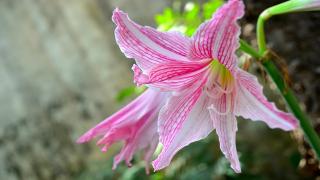
Adenium obesum, commonly known as the desert rose, is a succulent plant native to arid regions of Africa and the Arabian Peninsula. It is prized for its striking flowers and unique, swollen trunk. Growing Adenium obesum from seeds is a popular method for propagation, as it allows for genetic diversity and the potential to cultivate unique traits. In America, the feasibility of growing Adenium obesum from seeds depends on several factors, including climate, soil conditions, and care practices.
2. Seed Viability and Sourcing
The success of growing Adenium obesum from seeds begins with seed quality. Seeds should be fresh, as their viability decreases over time. In America, seeds can be sourced from reputable nurseries, online suppliers, or harvested from mature plants. Proper storage is crucial; seeds should be kept in a cool, dry place until planting. Cross-pollination between different Adenium varieties can produce hybrid seeds, offering a range of flower colors and growth habits.
3. Ideal Growing Conditions
Adenium obesum thrives in warm, dry climates, making it suitable for regions in America with similar conditions, such as the Southwest. The plant requires:
- Temperature: Seeds germinate best at temperatures between 75°F and 85°F (24°C–29°C). Cold temperatures below 50°F (10°C) can hinder growth or kill seedlings.
- Light: Full sunlight is essential for healthy growth. In cooler regions, grow lights or a sunny windowsill can supplement natural light.
- Soil: Well-draining soil, such as a mix of cactus potting soil and perlite or sand, prevents root rot.
4. Germination Process
To germinate Adenium obesum seeds in America, follow these steps:
- Soaking: Soak seeds in warm water for 2–4 hours to soften the seed coat and improve germination rates.
- Planting: Sow seeds 1/4 inch deep in moist soil, spacing them at least 2 inches apart.
- Humidity: Cover the planting container with plastic wrap or a humidity dome to retain moisture until germination occurs (typically within 7–14 days).
- Watering: Keep the soil lightly moist but not waterlogged. Overwatering can cause fungal infections.
5. Post-Germination Care
Once seedlings emerge, they require careful attention:
- Light: Gradually expose seedlings to direct sunlight to prevent sunburn.
- Watering: Allow the soil to dry slightly between waterings to encourage root development.
- Fertilization: Use a diluted, balanced fertilizer every 4–6 weeks during the growing season (spring to fall).
- Transplanting: When seedlings develop 2–3 true leaves, transplant them into individual pots with well-draining soil.
6. Challenges in American Climates
In cooler or more humid regions of America, growing Adenium obesum from seeds may present challenges:
- Cold Weather: Frost can damage or kill plants. In colder zones, grow Adenium indoors or in greenhouses during winter.
- Humidity: High humidity increases the risk of fungal diseases. Ensure proper airflow and avoid wetting the foliage.
- Pests: Spider mites, aphids, and mealybugs can infest Adenium. Regular inspection and organic pest control methods are recommended.
7. Long-Term Growth and Blooming
With proper care, Adenium obesum grown from seeds in America can bloom within 1–3 years. Mature plants require:
- Pruning: Prune to shape the plant and encourage branching.
- Dormancy: Reduce watering in winter to mimic natural dormancy periods.
- Repotting: Repot every 2–3 years to refresh the soil and accommodate root growth.