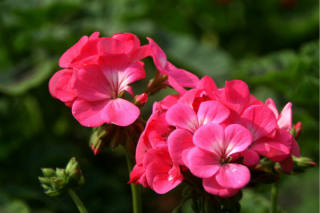
Foxgloves (Digitalis purpurea) are biennial or perennial plants native to Europe but widely cultivated for their striking tubular flowers. While they are prized for their ornamental value and medicinal properties, they contain potent toxins that pose significant risks to both pets and humans.
The primary toxic compounds in foxgloves are cardiac glycosides, including digitoxin, digoxin, and gitoxin. These chemicals interfere with the sodium-potassium pump in heart cells, leading to severe cardiac effects. All parts of the plant—leaves, flowers, stems, and seeds—contain these toxins, with the highest concentrations typically found in the leaves.
Foxgloves are highly toxic to pets, particularly dogs, cats, and horses. Ingestion of even small amounts can cause symptoms such as vomiting, diarrhea, drooling, cardiac arrhythmias, weakness, and seizures. Severe cases may result in death due to heart failure. Pets are often attracted to the plant's foliage or flowers, making accidental poisoning a significant concern.
Humans are also susceptible to foxglove poisoning, especially children who may mistake the flowers or leaves for edible plants. Symptoms in humans include nausea, headaches, visual disturbances, irregular heartbeat, and, in extreme cases, cardiac arrest. The toxins can be absorbed through the skin, so handling the plant without gloves may also cause mild irritation or systemic effects.
Despite their toxicity, foxgloves are the source of digoxin, a medication used to treat heart conditions like atrial fibrillation and heart failure. However, the therapeutic window is narrow, and improper dosing can lead to poisoning. This duality underscores the importance of professional supervision when using foxglove-derived medications.
To minimize risks, foxgloves should be planted out of reach of pets and children. Gardeners should wear gloves when handling the plant and wash hands thoroughly afterward. If ingestion is suspected, immediate medical or veterinary attention is critical. Prompt treatment may include activated charcoal, electrolyte stabilization, and anti-arrhythmic drugs.
Recognizing foxgloves can help prevent accidental exposure. The plant features tall spikes (1-2 meters) with bell-shaped flowers in shades of pink, purple, white, or yellow. The leaves are large, hairy, and arranged in a rosette at the base. Familiarity with these characteristics can aid in avoiding contact or ingestion.
For those seeking pet- and child-friendly alternatives, consider non-toxic plants like snapdragons (Antirrhinum), marigolds (Tagetes), or petunias. These options provide similar aesthetic appeal without the associated risks of foxgloves.