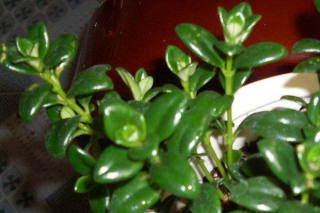
Thyme (*Thymus vulgaris*) is a hardy perennial herb that thrives in warm, dry climates. When grown indoors, maintaining the right temperature range is crucial for its health and productivity. Thyme originates from Mediterranean regions, so it prefers conditions that mimic its native habitat—moderate warmth during the day and slightly cooler temperatures at night.
For indoor thyme cultivation, the ideal daytime temperature range is between **60°F to 75°F (15°C to 24°C)**. This range supports active photosynthesis and healthy growth. Temperatures above 80°F (27°C) can stress the plant, leading to wilting or reduced essential oil production, which affects flavor and aroma. Conversely, temperatures below 50°F (10°C) may slow growth significantly.
Thyme benefits from a slight drop in temperature at night, ideally between **55°F to 65°F (13°C to 18°C)**. Cooler nighttime temperatures help mimic natural outdoor conditions, promoting stronger stems and preventing leggy growth. Avoid drastic temperature fluctuations, as they can shock the plant and weaken its immune system.
If growing thyme from seeds, a warmer environment is necessary for successful germination. The optimal soil temperature for thyme seeds is **65°F to 70°F (18°C to 21°C)**. Using a seedling heat mat can help maintain consistent warmth. Once seedlings emerge, gradually acclimate them to the standard daytime and nighttime ranges mentioned above.
Excessive heat (above 85°F/29°C) can cause thyme to become dormant or develop thin, brittle leaves. High temperatures also increase evaporation, requiring more frequent watering, which risks root rot if drainage is inadequate. On the other hand, prolonged exposure to cold (below 40°F/4°C) can damage foliage and stunt growth, making the plant susceptible to diseases.
During winter, indoor heating can create dry, hot conditions. Place thyme away from radiators or vents, and consider using a humidifier to maintain moderate humidity. In summer, ensure adequate airflow to prevent overheating, especially if placed near sunny windows. A small fan can help regulate temperature and reduce humidity buildup.
Use a digital thermometer to monitor room temperature near the thyme plant. For precision, place the sensor at soil level. If temperatures fall outside the ideal range, relocate the plant or adjust the room’s climate controls. Grow lights can supplement warmth in cooler spaces, but ensure they don’t overheat the plant.
Light exposure, humidity, and airflow interact with temperature to affect thyme’s growth. For example, high light levels may raise leaf temperature, requiring slight adjustments. Similarly, low humidity in heated rooms may necessitate more frequent misting to prevent dehydration, even if temperatures are within the ideal range.