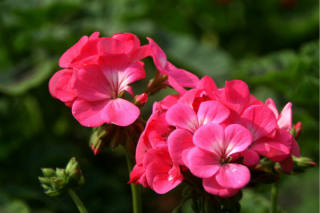
Hellebores, also known as Lenten roses, are resilient perennial plants prized for their winter blooms. However, like all plants, they are susceptible to pests and diseases that can compromise their health. Understanding these threats and their treatments is essential for maintaining vibrant hellebores.
Hellebores face several pest challenges, which can weaken the plant if left untreated.
Aphids are small, sap-sucking insects that cluster on new growth and flower buds. They excrete honeydew, promoting sooty mold growth. To treat aphids, spray plants with a strong jet of water or apply insecticidal soap. Encouraging natural predators like ladybugs can also help.
The larvae of this pest tunnel through leaves, creating unsightly brown trails. Remove and destroy affected foliage to prevent further infestation. Neem oil or systemic insecticides may be used as a preventive measure.
These pests chew irregular holes in leaves, especially in damp conditions. Handpick them at night or use organic slug pellets. Creating barriers with crushed eggshells or copper tape can also deter them.
Fungal and bacterial diseases are the primary threats to hellebores, often exacerbated by poor growing conditions.
This viral disease causes black streaks on leaves and stems, eventually killing the plant. There is no cure, so infected plants must be removed and destroyed to prevent spread. Purchase virus-free plants from reputable sources to avoid introduction.
Circular brown or black spots appear on leaves, often with yellow halos. Improve air circulation, avoid overhead watering, and remove infected leaves. Fungicides containing copper or chlorothalonil can help control severe cases.
A white, powdery coating forms on leaves, inhibiting photosynthesis. Treat with fungicidal sprays or homemade solutions like baking soda mixed with water. Ensure plants are not overcrowded and receive adequate sunlight.
Prevention is key to minimizing pest and disease problems in hellebores.
Plant hellebores in well-draining soil with partial shade to reduce stress. Mulch lightly to retain moisture without encouraging fungal growth. Avoid over-fertilizing, as excessive nitrogen can attract aphids.
Regularly remove fallen leaves and debris to eliminate hiding spots for pests and disease spores. Disinfect pruning tools between uses to prevent cross-contamination.
Inspect plants frequently for early signs of pests or disease. Addressing issues promptly reduces the need for harsh treatments and preserves plant health.
By understanding the common pests and diseases affecting hellebores and implementing proactive care strategies, gardeners can ensure these elegant plants thrive year after year.