Greek oregano (*Origanum vulgare* subsp. *hirtum*) and Italian oregano (*Origanum x majoricum*) belong to the same genus, *Origanum*, within the Lamiaceae family. However, they are distinct subspecies or hybrids. Greek oregano is a subspecies of *Origanum vulgare*, while Italian oregano is often a hybrid between *Origanum vulgare* and sweet marjoram (*Origanum majorana*). This genetic difference influences their growth habits, flavor profiles, and culinary uses.
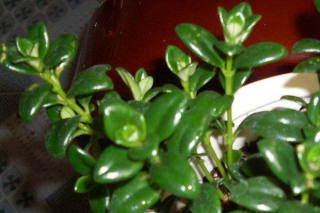
Greek oregano is characterized by its small, oval, and slightly hairy leaves, which are darker green compared to Italian oregano. The plant grows as a low, bushy perennial with woody stems. In contrast, Italian oregano has broader, smoother leaves with a lighter green hue and a more delicate texture. The stems of Italian oregano are less woody and tend to sprawl, making it appear less compact than Greek oregano.
Greek oregano is renowned for its robust, pungent flavor with high concentrations of essential oils, particularly carvacrol, which gives it a spicy, slightly bitter taste. Italian oregano, being a hybrid with sweet marjoram, has a milder, sweeter flavor with hints of floral and herbal notes. The aroma of Greek oregano is more intense and earthy, while Italian oregano is subtler and more aromatic, resembling a blend of thyme and marjoram.
Greek oregano thrives in dry, rocky soils and is highly drought-tolerant, reflecting its Mediterranean origins. It prefers full sun and is hardy in USDA zones 5–9. Italian oregano, while also Mediterranean, requires slightly more moisture and well-drained soil. It is less cold-hardy, typically thriving in zones 6–9. Both plants are perennial but Greek oregano is more resilient to harsh conditions.
Greek oregano is a staple in Greek cuisine, often used in dishes like souvlaki, moussaka, and Greek salads, where its bold flavor stands up to strong ingredients like garlic and lemon. Italian oregano is favored in Italian cooking, particularly in tomato-based sauces, pizzas, and herb blends like *herbes de Provence*. Its milder taste complements delicate dishes without overpowering them.
The essential oils of Greek oregano contain up to 80% carvacrol, contributing to its antimicrobial and antioxidant properties. Italian oregano has lower carvacrol levels but higher concentrations of linalool and terpinene, which lend it a sweeter aroma. These differences make Greek oregano more valued in medicinal applications, while Italian oregano is often preferred for perfumery and aromatherapy.
Greek oregano leaves are best harvested just before flowering for peak flavor and can be dried without losing much intensity. Italian oregano, with its delicate leaves, is often used fresh or dried at lower temperatures to preserve its subtle aroma. Both varieties retain their flavors well when stored in airtight containers away from light.
Greek oregano’s high essential oil content makes it highly resistant to pests and diseases, requiring minimal maintenance. Italian oregano, being less potent, is more susceptible to aphids and fungal infections, especially in humid conditions. Proper spacing and airflow are crucial for preventing issues in Italian oregano plants.