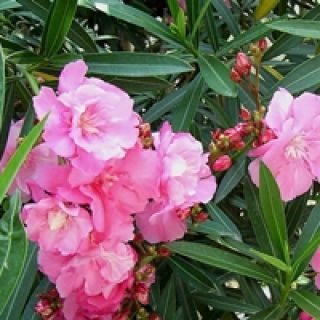
Peonies (*Paeonia spp.*) are perennial flowering plants prized for their lush blooms and hardiness. They thrive in USDA Hardiness Zones 2–8, but specific varieties perform better in certain climates due to differences in cold tolerance, heat resistance, and dormancy requirements. Below is a breakdown of the best peony varieties for distinct U.S. climate zones.
In regions with harsh winters, such as the northern U.S., herbaceous peonies are ideal due to their cold tolerance. Recommended varieties include:
Tree peonies (*Paeonia suffruticosa*) are less cold-hardy but can survive in Zone 4 with proper mulching.
Zones 5–7 offer ideal conditions for most peonies, with balanced chill hours and moderate summers. Top choices include:
Intersectional (Itoh) peonies, like 'Bartzella', also excel here, offering hybrid vigor and extended blooming periods.
In warmer regions, peonies struggle without sufficient winter chill. However, select varieties can adapt:
Tree peonies, such as 'High Noon', are also suitable for Zone 8–9 gardens if planted in partial shade.
In arid regions (e.g., Southwest U.S.), peonies require supplemental watering and shade. 'Red Charm' and 'Shirley Temple' are drought-tolerant once established. For coastal climates (e.g., Pacific Northwest), fungal resistance is key. 'Alexander Fleming' and 'Gardenia' peonies resist humidity-related diseases.
Regardless of zone, peonies need well-draining soil, 6+ hours of sunlight, and proper spacing. In cold zones, mulch heavily in winter. In warm zones, provide afternoon shade and ensure adequate chill hours by refrigerating bare roots before planting.