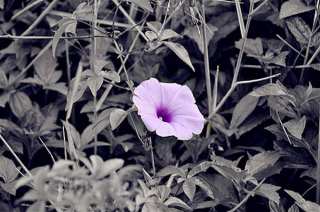
Jasmine (genus Jasminum) is a tropical and subtropical plant native to warm regions such as Southeast Asia, Africa, and the Middle East. Most jasmine species thrive in temperatures between **60–75°F (15–24°C)** and require ample sunlight, well-drained soil, and moderate humidity. These conditions make jasmine inherently sensitive to cold climates, where temperatures frequently drop below freezing.
Not all jasmine species are equally vulnerable to cold. Some hardy varieties can withstand brief periods of frost or cooler temperatures: - Common Jasmine (Jasminum officinale): Tolerates temperatures as low as **10°F (-12°C)** when mature and dormant. - Winter Jasmine (Jasminum nudiflorum): Survives in USDA zones **6–10** and blooms in winter, enduring temperatures down to **0°F (-18°C)**. - Star Jasmine (Trachelospermum jasminoides): Hardy to **10°F (-12°C)** but prefers warmer climates. Most other jasmine species, like Jasminum sambac (Arabian jasmine), cannot survive prolonged exposure to temperatures below **25°F (-4°C)**.
Cold climates pose several risks to jasmine plants: - Frost Damage: Ice crystals form in plant tissues, rupturing cells and causing wilting or death. - Dormancy Disruption: Sudden temperature fluctuations may prevent proper dormancy, weakening the plant. - Root Rot: Cold, wet soil slows drainage, increasing the risk of fungal diseases. - Reduced Flowering: Jasmine requires warm temperatures to produce blooms; cold stress may inhibit flowering entirely.
With careful management, jasmine can survive in colder areas: - Container Gardening: Grow jasmine in pots and move them indoors during winter. Ensure they receive **4–6 hours of sunlight daily** near a south-facing window. - Mulching: Apply a thick layer of mulch (e.g., straw or bark) to insulate roots and retain soil warmth. - Microclimates: Plant jasmine near south-facing walls or use frost cloths to trap heat. - Greenhouse Cultivation: A controlled environment can replicate tropical conditions year-round. - Pruning: Trim dead or damaged stems in early spring to encourage new growth after winter.
If outdoor cultivation is impractical, consider: - Growing Jasmine as a Houseplant: Smaller varieties like Jasminum polyanthum adapt well to indoor conditions. - Selecting Cold-Hardy Alternatives: Plants like honeysuckle (Lonicera) mimic jasmine's fragrance and thrive in colder zones. - Seasonal Planting: Treat jasmine as an annual or overwinter cuttings indoors.