Nerine plants, belonging to the Amaryllidaceae family, are flowering bulbs native to South Africa. Known for their vibrant, lily-like blooms, they are popular in gardens and floral arrangements. However, their toxicity to pets, particularly cats and dogs, is a concern for pet owners. Understanding the plant's chemical composition and its effects on animals is essential for ensuring pet safety.
Nerine plants contain alkaloids, specifically lycorine and other related compounds, which are toxic to pets. These alkaloids are concentrated in the bulbs but are also present in the leaves and flowers. Lycorine is a potent emetic, meaning it induces vomiting, and can cause gastrointestinal distress, drooling, and abdominal pain in pets. In severe cases, ingestion may lead to more serious symptoms such as tremors, seizures, or cardiac abnormalities.
If a pet ingests any part of a Nerine plant, symptoms may appear within a few hours. Common signs include vomiting, diarrhea, excessive drooling, and lethargy. In more severe cases, pets may exhibit tremors, difficulty breathing, or changes in heart rate. Immediate veterinary attention is crucial if poisoning is suspected, as delayed treatment can worsen the prognosis.
While Nerine plants are toxic to both cats and dogs, the severity of symptoms can vary. Cats are generally more sensitive to lycorine due to their smaller size and unique metabolism. Dogs may experience milder symptoms but are still at risk, especially if they consume large quantities. Smaller pets, such as rabbits or guinea pigs, are also vulnerable and should be kept away from Nerine plants.
To protect pets from Nerine toxicity, pet owners should avoid planting these bulbs in areas accessible to animals. Indoor arrangements should be placed out of reach, and outdoor gardens should be fenced or monitored. Educating household members about the risks and recognizing early symptoms of poisoning can help prevent accidental ingestion. If Nerine plants are present, consider replacing them with pet-safe alternatives like marigolds or snapdragons.
If a pet consumes any part of a Nerine plant, act quickly. Remove any remaining plant material from the pet's mouth and rinse the mouth with water. Contact a veterinarian or pet poison control center immediately, providing details about the plant and the amount ingested. Do not induce vomiting unless instructed by a professional, as this may worsen the condition in some cases.
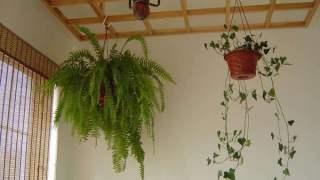
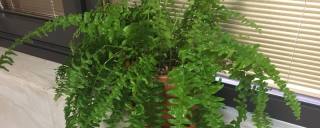
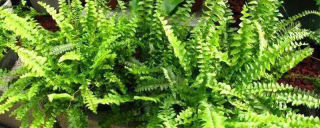
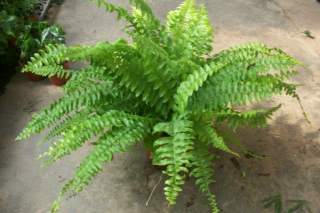
For pet owners who want to maintain a vibrant garden without risking their pets' health, several non-toxic alternatives are available. Plants such as African violets, spider plants, and Boston ferns are safe for cats and dogs. Always verify the toxicity of a plant before introducing it to a pet-friendly environment, as some species may have similar appearances but different safety profiles.