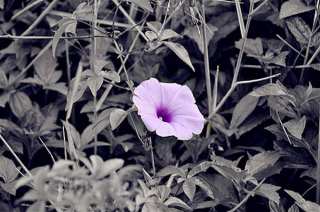
Nerine plants, also known as Guernsey lilies, are bulbous perennials that thrive in well-drained soil and sunny conditions. Their leaves are typically green and strap-like, but yellowing can occur due to stress or improper care. To address this issue, it's essential to understand their natural habitat—they prefer warm, dry summers and mild winters, mimicking their native South African environment. When their needs aren't met, the leaves may turn yellow as a distress signal.
One of the most common reasons for yellowing Nerine leaves is overwatering or poor drainage. Nerine bulbs are prone to rot if left in soggy soil. When roots suffocate due to excess water, they can't absorb nutrients efficiently, leading to yellow leaves. To fix this, ensure the soil is well-draining and reduce watering frequency, especially during dormancy. A gritty or sandy soil mix can help replicate their natural growing conditions.
Yellow leaves may indicate a lack of essential nutrients, particularly nitrogen, iron, or magnesium. Nitrogen deficiency often causes older leaves to yellow first, while iron deficiency leads to yellowing between the veins of younger leaves. Magnesium deficiency shows as yellow patches between leaf veins. To remedy this, use a balanced fertilizer or a specific nutrient supplement. Organic compost or slow-release fertilizers can also improve soil health over time.
Nerines require full sun to partial shade to thrive. Insufficient sunlight can weaken the plant, causing leaves to turn yellow as chlorophyll production decreases. If grown indoors or in shaded areas, relocate the plant to a sunnier spot. However, avoid extreme midday sun in hotter climates, as it may scorch the leaves. Aim for at least 6 hours of sunlight daily for optimal growth.
Pests like aphids, spider mites, or bulb mites can sap nutrients from Nerine leaves, leading to yellowing. Fungal diseases, such as root rot or leaf spot, can also cause discoloration. Inspect the leaves and bulbs for signs of infestation or infection. Treat pests with insecticidal soap or neem oil, and remove affected foliage to prevent disease spread. Ensure good air circulation around the plant to reduce fungal risks.
Nerine plants naturally enter a dormancy period, usually after flowering. During this time, leaves may yellow and die back as the plant conserves energy for the next growing season. This is normal and not a cause for concern. Reduce watering during dormancy and resume care when new growth appears. Avoid removing yellowing leaves prematurely, as they still provide nutrients to the bulb.
Extreme temperatures, especially frost or prolonged heat, can stress Nerine plants, causing yellow leaves. While they tolerate mild frost, prolonged cold can damage foliage. Conversely, excessive heat without adequate water can lead to dehydration and yellowing. Protect plants from frost with mulch or move potted Nerines indoors during cold snaps. In hot climates, provide afternoon shade and ensure consistent moisture.
Older Nerine bulbs or overcrowded clumps may produce yellow leaves due to reduced vigor. Over time, bulbs exhaust their energy reserves, leading to weaker growth. Divide and replant bulbs every 3–4 years to rejuvenate them. This ensures better nutrient uptake and airflow, reducing the likelihood of yellowing leaves.
Nerines prefer slightly acidic to neutral soil (pH 6.0–7.0). Alkaline soil can lock up nutrients, causing yellow leaves. Test soil pH and amend it with sulfur or peat moss if needed. Avoid using harsh chemicals or salty fertilizers, as they can damage roots and foliage. Opt for organic amendments to maintain soil health.