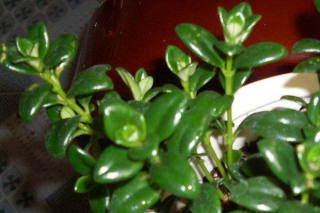
Greek oregano (*Origanum vulgare subsp. hirtum*) is a hardy perennial herb native to Mediterranean regions. While it thrives in warm, dry climates, its ability to survive frost depends on several factors, including its hardiness zone, plant maturity, and winter conditions. Greek oregano is typically hardy in USDA zones 5–9, meaning it can tolerate temperatures as low as -20°F (-29°C) when established. However, young plants or those in containers may be more vulnerable to frost damage.
Frost can harm Greek oregano by damaging its cell structure. When temperatures drop below freezing, ice crystals form inside the plant's cells, causing them to rupture. This leads to wilting, browning, or dieback of foliage. While the roots of established plants often survive mild frosts, repeated freezing and thawing cycles can weaken the plant or kill it entirely. In severe cases, frost heaving (where soil expands and contracts) can uproot the plant.
To help Greek oregano survive frost and winter conditions, follow these care tips:
Apply a 2–3 inch layer of organic mulch (e.g., straw, leaves, or wood chips) around the base of the plant after the first hard frost. Mulch acts as insulation, protecting the roots from temperature fluctuations and frost heaving. Avoid piling mulch directly against the stems to prevent rot.
Potted Greek oregano is more susceptible to frost because roots are less insulated. Move containers to a sheltered location (e.g., a garage or porch) or wrap the pot with burlap or bubble wrap. Alternatively, sink the pot into the ground to mimic in-ground planting conditions.
Trim back the plant by about one-third in late fall to remove dead or diseased growth. Avoid heavy pruning, as the remaining foliage can help protect the crown from frost. Wait until spring to cut back fully, as old growth provides additional insulation.
Greek oregano prefers well-draining soil and is prone to root rot in soggy conditions. Ensure the planting site or container has good drainage to prevent waterlogged soil during winter rains or snowmelt.
After winter, inspect the plant for frost damage. Brown or blackened leaves and stems indicate cold injury. If the roots survive, new growth may emerge in spring. Gently scratch the stem near the base; green tissue beneath the bark signals life. Remove dead foliage to encourage healthy regrowth.
In zones 5–7, Greek oregano may require extra protection, such as row covers or cloches during extreme cold snaps. In warmer zones (8–9), frost is less of a concern, but occasional cold spells may still warrant precautions. In areas with harsh winters, growing oregano as an annual or indoors may be preferable.