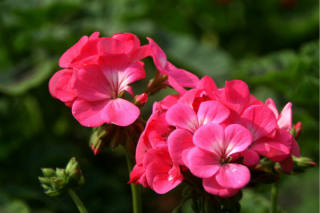
Coreopsis thrives in full sun, requiring at least 6-8 hours of direct sunlight daily. If your plant is not blooming, it may be due to inadequate light. In shaded or partially shaded areas, Coreopsis focuses energy on foliage growth rather than flower production. Ensure the plant is positioned in a sunny spot, away from obstructions like trees or buildings that cast shadows.
Coreopsis prefers well-draining soil with moderate fertility. Heavy, clay-rich, or waterlogged soil can stress the plant, inhibiting blooming. Poor soil drainage may lead to root rot, further weakening the plant. Conversely, overly rich soil encourages excessive leafy growth at the expense of flowers. Amend the soil with sand or organic matter to improve drainage and avoid high-nitrogen fertilizers, which promote foliage over blooms.
Coreopsis is drought-tolerant and dislikes soggy conditions. Overwatering can suffocate roots and reduce flowering, while underwatering may cause stress, leading to fewer blooms. Water deeply but infrequently, allowing the soil to dry slightly between waterings. Established plants often need minimal supplemental watering, relying on natural rainfall.
Coreopsis benefits from regular deadheading (removing spent flowers) to encourage continuous blooming. If old flowers remain, the plant may divert energy to seed production instead of new blooms. Additionally, pruning leggy stems in early summer can promote bushier growth and more flowers. For perennial varieties, cut back foliage in late fall or early spring to rejuvenate the plant.
Excessive nitrogen in fertilizers can lead to lush foliage but few flowers. Coreopsis performs best with a balanced or low-nitrogen fertilizer (e.g., 5-10-10) applied sparingly in early spring. Avoid over-fertilizing, as this can harm the plant. If the soil is naturally rich, skip fertilizing altogether and let the plant thrive with minimal intervention.
Young Coreopsis plants may take a season or two to establish before blooming profusely. Conversely, older perennials may become less productive over time. Dividing mature plants every 2-3 years can rejuvenate them and restore vigorous flowering. Ensure divisions are replanted in suitable conditions to encourage blooms.
Pests like aphids or diseases such as powdery mildew can weaken Coreopsis, reducing its ability to bloom. Inspect the plant regularly for signs of infestation or infection. Treat pests with insecticidal soap or neem oil, and improve air circulation to prevent fungal issues. Healthy plants are more likely to produce abundant flowers.
Some Coreopsis varieties are annuals or have specific climate requirements. If planted outside their recommended hardiness zone, they may struggle to bloom. Verify that your variety is suited to your region. Perennial types may also need a cold period (vernalization) to trigger flowering, so ensure they experience winter dormancy if required.
Extreme heat, drought, or unseasonable weather can temporarily halt blooming. While Coreopsis is resilient, prolonged stress may delay or reduce flowers. Mulching around the base can help regulate soil temperature and moisture, mitigating stress. Be patient, as blooms often return when conditions improve.
If Coreopsis is crowded by aggressive neighboring plants, it may not receive adequate resources to bloom. Ensure proper spacing (12-18 inches for most varieties) and remove competing weeds or invasive plants. This allows the Coreopsis to access sufficient light, water, and nutrients for optimal flowering.