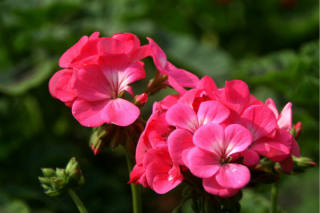
As a daisy, my survival depends on proper care during division and transplantation. I thrive in well-draining soil with plenty of sunlight (at least 6 hours daily). My roots are fibrous but sensitive, so disturbing them requires caution. The best time to divide me is in early spring or fall when temperatures are mild, as extreme heat or cold can shock my system.
Before dividing me, water my soil thoroughly 1-2 days in advance. This ensures my roots are hydrated and easier to separate. Use a sharp, clean spade to dig around my base, keeping a 6-inch margin to avoid damaging my root system. Gently lift me from the ground, shaking off excess soil to expose my root clumps.
Inspect my root ball for natural divisions—I often grow in clusters with separate crowns. Using your hands or a sterile knife, carefully separate me into smaller sections, ensuring each division has healthy roots and 3-5 shoots. Avoid tearing my roots; clean cuts heal faster. Discard any woody or rotten parts, as they may harbor disease.
Choose a location with conditions similar to my original spot. Dig holes twice as wide as my root divisions and slightly deeper. Mix compost into the soil to nourish me post-transplant. Space new holes 12-18 inches apart so I have room to grow without competing with neighboring plants.
Place each division in its hole, spreading my roots outward. Position me at the same depth I was growing previously—burying my crown too deep may cause rot, while planting too shallow exposes my roots. Backfill with soil, gently firming it around my base to eliminate air pockets. Water me immediately to help settle the soil and reduce transplant shock.
Keep my soil consistently moist (but not waterlogged) for the first 4-6 weeks as I establish new roots. Apply a light layer of mulch to retain moisture and regulate soil temperature. Avoid fertilizing me immediately; wait until I show new growth (typically 2-3 weeks). Monitor for wilting or discoloration, which may indicate stress.
Once established, I’ll resume normal care: weekly watering (more during droughts), deadheading spent blooms to encourage flowering, and dividing me every 2-3 years to prevent overcrowding. In colder climates, add extra mulch in late fall to protect my roots from freezing temperatures.