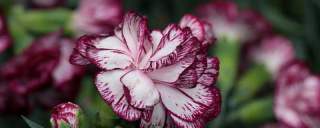
Zinnias (Zinnia elegans) are vibrant, drought-tolerant annual flowers native to Mexico and the southwestern United States. They are prized for their bright, daisy-like blooms and ability to thrive in hot, sunny conditions. Zinnias come in a wide range of colors, sizes, and petal formations, making them a popular choice for gardens, borders, and cut flower arrangements. From a botanical perspective, their sturdy stems and slightly rough foliage contribute to their resilience in various growing conditions.
Deer tend to avoid plants with certain characteristics, such as strong fragrances, bitter tastes, or toxic properties. Texture also plays a role—plants with fuzzy, prickly, or tough leaves are less appealing. While no plant is entirely deer-proof, some are less likely to be browsed. Factors like local deer populations, food availability, and seasonal changes can influence deer behavior, making resistance a relative term rather than an absolute guarantee.
Zinnias are often listed as moderately deer-resistant. Their slightly coarse foliage and stems may deter deer, especially when other more palatable options are available. However, in times of food scarcity or high deer pressure, zinnias might still be nibbled. The level of resistance can vary depending on the zinnia variety—some cultivars with thicker leaves or stronger scents may be less attractive to deer than others.
To enhance the deer resistance of zinnias in your garden, consider these strategies:
If deer pressure is high in your area, consider supplementing zinnias with other deer-resistant flowers, such as:
Deer preferences can vary by region and season. Monitor your garden to see if zinnias are being browsed and adjust your strategies accordingly. Experimenting with different zinnia varieties or combining them with other deterrents can help strike a balance between aesthetics and practicality in deer-prone areas.