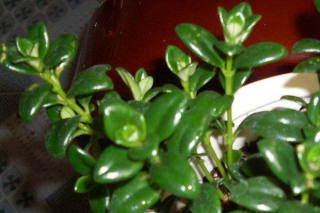
Tuberose (Polianthes tuberosa) is a perennial flowering plant native to Mexico, known for its highly fragrant, white blooms. It belongs to the Asparagaceae family, which includes other ornamental plants like agave and hyacinth. Tuberose is widely cultivated for its aesthetic and aromatic qualities, often used in perfumes, floral arrangements, and gardens. However, its toxicity to pets, particularly cats and dogs, is a concern for pet owners.
Tuberose contains several bioactive compounds, including saponins, glycosides, and alkaloids, which contribute to its fragrance and potential toxicity. Saponins, in particular, are known to cause gastrointestinal irritation in pets when ingested. These compounds can disrupt cell membranes, leading to symptoms like vomiting, diarrhea, and drooling. While the exact concentration of toxins in tuberose varies by plant part (e.g., bulbs, leaves, flowers), all parts are considered potentially harmful.
Tuberose is classified as mildly to moderately toxic to pets, especially cats and dogs. The primary toxic agents are saponins, which can cause:
While fatalities are uncommon, ingestion should be treated as an emergency, and veterinary care sought immediately.
Tuberose shares toxicity traits with other members of the Asparagaceae family, such as hyacinths and tulips, which also contain saponins and alkaloids. However, its toxicity level is generally lower than that of highly poisonous plants like lilies (e.g., Lilium species), which can cause acute kidney failure in cats. Despite this, tuberose should still be kept out of reach of pets to prevent accidental ingestion.
To protect pets from tuberose toxicity, consider the following precautions:
If a pet consumes tuberose, take these steps:
Early intervention can prevent complications and ensure prompt treatment, such as activated charcoal or IV fluids, if necessary.