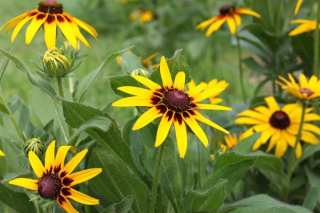
Lilies (genus Lilium) are perennial flowering plants known for their striking blooms and fragrance. While they are traditionally grown in garden beds, many varieties adapt well to container cultivation. Container-grown lilies offer flexibility in placement, allowing gardeners to control soil conditions, sunlight exposure, and pest management more effectively.
Not all lilies thrive equally in containers. Dwarf or compact varieties, such as Asiatic lilies (Lilium asiatica) or Oriental lilies (Lilium orientalis), are ideal due to their manageable height (1–3 feet). Larger species, like Trumpet lilies, may require staking or deeper pots. Select disease-resistant cultivars to minimize maintenance challenges.
Lilies need ample space for root development. Choose a container at least 12–16 inches deep and 12 inches wide, with drainage holes to prevent waterlogging. Materials like terracotta or plastic work well, but ensure terracotta pots are glazed to reduce moisture loss. For taller varieties, opt for heavier containers to avoid tipping.
Lilies prefer well-draining, slightly acidic to neutral soil (pH 6.0–7.0). Use a high-quality potting mix blended with perlite or coarse sand (20–30%) to enhance drainage. Avoid garden soil, which may compact and harbor pathogens. Adding organic matter (e.g., compost) supports nutrient retention without suffocating roots.
Plant bulbs in early spring or fall, placing them 3 times their height deep (typically 4–6 inches). Space bulbs 2–3 inches apart to allow airflow. Position the pointed end upward and cover with soil. Mulch lightly to retain moisture and regulate temperature. Group 3–5 bulbs per container for a fuller display.
Lilies require 6–8 hours of direct sunlight daily. In hot climates, provide partial afternoon shade to prevent scorching. Containers should be placed where temperatures remain between 60–75°F (15–24°C) during growth. Protect pots from freezing in winter by moving them indoors or insulating with mulch.
Keep soil consistently moist but not soggy. Water when the top inch of soil feels dry, ensuring excess water drains freely. During active growth, feed every 2–3 weeks with a balanced liquid fertilizer (10-10-10) or a slow-release granular formula. Reduce watering after blooming to prevent bulb rot.
Container lilies are susceptible to aphids, red lily beetles, and fungal diseases like botrytis. Inspect leaves regularly and remove pests manually or use insecticidal soap. Ensure good air circulation and avoid overhead watering to deter fungi. Sterilize pots annually to prevent soil-borne diseases.
In colder zones (below USDA Zone 5), move containers to a sheltered, frost-free location (e.g., garage or basement) after foliage dies back. Trim dead stems and store bulbs dry in peat moss until spring. Repot every 2–3 years to refresh soil and divide overcrowded bulbs.