Lilies (genus Lilium) are perennial flowering plants that thrive in a variety of light conditions, depending on the species and cultivar. From a plant's perspective, sunlight is critical for photosynthesis, which fuels growth, flowering, and overall health. However, the ideal light exposure for lilies varies between full sun and partial shade, influenced by factors like climate, soil moisture, and genetic adaptations.
Many lily species, such as Lilium candidum (Madonna Lily) and Lilium regale (Regal Lily), evolved to thrive in full sun (6+ hours of direct sunlight daily). These lilies develop robust stems and abundant blooms when exposed to ample light. Their leaves are often thicker and more waxy to reduce water loss, a trait adapted to sunny, well-drained habitats. In full sun, photosynthesis rates are maximized, promoting vigorous growth and vibrant flowers. However, in hotter climates, some sun-loving lilies may benefit from afternoon shade to prevent scorching.
Species like Lilium martagon (Martagon Lily) or woodland-adapted lilies naturally grow in dappled shade. These varieties have thinner leaves and a higher chlorophyll concentration to capture limited light efficiently. In partial shade (3–6 hours of sunlight), they avoid stress from intense midday sun, which can wilt petals or dry out soil too quickly. For these lilies, morning sun with afternoon shade mimics their native understory habitats, balancing light for photosynthesis while conserving moisture.
From a plant's perspective, local climate dictates whether full sun or partial shade is preferable. In cool northern regions, lilies often tolerate—or even require—full sun to reach their photosynthetic potential. Conversely, in hot southern zones, partial shade protects them from heat stress and excessive transpiration. Microclimates (e.g., near trees or walls) can also modify light exposure. For example, a lily planted under a deciduous tree may receive full sun in spring (before leaf-out) and dappled shade in summer, aligning with its growth cycle.
Light requirements are intertwined with soil and water conditions. Lilies in full sun demand consistently moist, well-drained soil to offset faster evaporation. In contrast, lilies in partial shade retain soil moisture longer, reducing watering needs. Some species, like Lilium superbum (Turk’s Cap Lily), thrive in damp, partly shaded areas, reflecting their adaptation to wetland edges where sunlight is filtered.
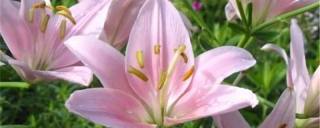
Modern hybrid lilies (e.g., Asiatic or Oriental hybrids) often exhibit bred-in flexibility for light conditions. Asiatic lilies generally tolerate full sun, while fragrant Oriental hybrids may prefer partial shade to protect their delicate petals. Breeders select traits that balance light efficiency with stress resistance, allowing gardeners to choose varieties suited to their specific light conditions.
Lilies communicate their light needs through physical cues. In insufficient light, stems become leggy, flowers sparse, and leaves pale yellow (chlorosis). In excessive sun, leaves may brown at the edges, and blooms fade prematurely. Observing these signs helps adjust planting locations to mimic the plant’s natural preferences.
To replicate ideal conditions, research the native habitat of your lily species. Plant sun-loving varieties in open beds with loamy soil, and shade-tolerant types near shrubs or trees. Mulching helps regulate soil temperature and moisture, complementing light conditions. Rotating potted lilies ensures even light exposure, preventing lopsided growth.